The Importance of Unstructured Play in Child Development
In today’s fast-paced world, children are often bombarded with structured activities, academic pressures, and screen time from an early age. However, amidst the hustle and bustle of modern life, the value of unstructured play often gets overlooked.
Unstructured play, characterised by free exploration, imagination, and creativity, is not just a source of entertainment for children but a vital component of their development. In this blog post, we’ll explore the importance of unstructured play in fostering holistic child development.
Promotes Creativity and Imagination
Unstructured play provides children with the freedom to explore their imagination and creativity without predefined rules or limitations. Whether building forts out of blankets, creating imaginary worlds with dolls and action figures, or engaging in make-believe games, unstructured play encourages children to think outside the box and unleash their creativity.
Develops Problem Solving Skills
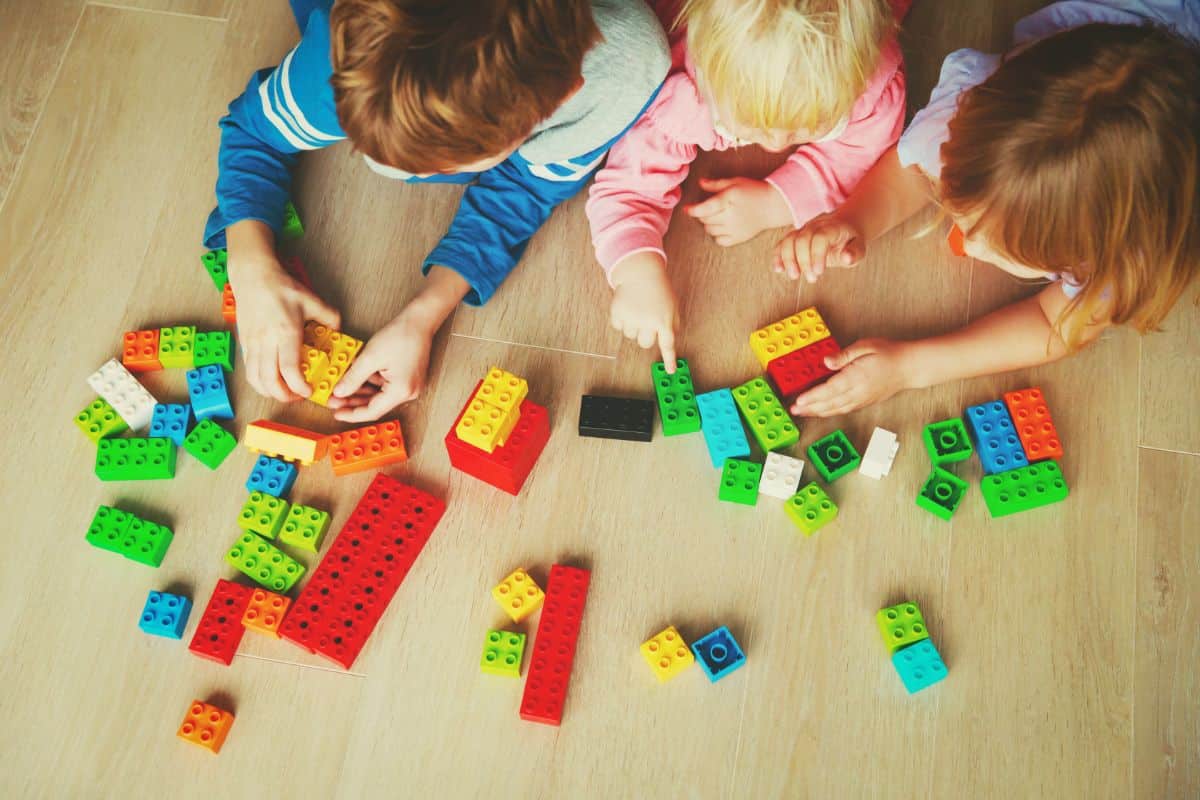
Through unstructured play, children encounter various challenges and obstacles that require them to think critically and problem solve on their own. Whether resolving conflicts with peers during pretend play or figuring out how to build a tower with blocks, unstructured play fosters the development of essential problem solving skills that are invaluable in later life.
Enhances Social Skills
Unstructured play offers opportunities for children to interact with peers in a relaxed and natural setting, fostering the development of social skills such as communication, cooperation, and empathy. Through collaborative play, children learn to negotiate, compromise, and navigate social dynamics, laying the groundwork for healthy relationships and teamwork.
Encourages Physical Activity
Unstructured play often involves physical activities such as running, jumping, climbing, and exploring outdoor environments. Engaging in unstructured play not only promotes physical health and fitness but also helps children develop gross motor skills, coordination, and spatial awareness.
Fosters Independence and Self-Regulation
In unstructured play, children are in control of their play experiences, allowing them to make decisions, set goals, and take ownership of their actions. This sense of autonomy fosters independence and self-regulation as children learn to manage their time, emotions, and behaviour during play.
Supports Cognitive Development
Unstructured play stimulates cognitive development by engaging children in open-ended exploration and experimentation. Whether experimenting with cause and effect relationships, sorting and categorising objects, or engaging in imaginative storytelling, unstructured play challenges children’s cognitive abilities and encourages intellectual growth.
Reduces Stress and Anxiety
Unstructured play provides children with an opportunity to unwind, relax, and release pent-up energy and emotions. Engaging in play activities that they enjoy promotes feelings of joy, happiness, and relaxation, reducing stress and anxiety levels in children.
Cultivates a Love for Learning
Unstructured play lays the foundation for a lifelong love of learning by fostering curiosity, wonder, and exploration. Through play, children develop a natural inclination to ask questions, seek answers, and engage with the world around them, setting the stage for a lifelong journey of discovery and learning.
In conclusion, unstructured play is not just a pastime for children, but a fundamental aspect of their development. By providing children with ample opportunities for unstructured play, parents and carers can nurture their creativity, problem solving skills, social competence, physical health, and overall well-being.
So, let’s encourage our children to play freely, explore their imaginations, and embrace the joy of unstructured play as an essential part of their childhood experience. You may want to consider exploring childcare in Kew, or a private nursery, that can help expand your child’s knowledge even when you aren’t there.
*This is a collaborative post