Moving Between the North and London: A Practical Guide for Families
Moving house sounds quite simple when you say it quickly. Pack everything into boxes, get it to the new place and unpack again. Then you open the cupboard under the stairs and remember just how much stuff a family can collect. Somehow, there are bags in there that nobody has touched since the last clear-out.
Add a move between the North and London into the mix, and there is more to organise than a pile of cardboard boxes. There is the journey, getting the keys, working out where a van can park and making sure everyone has something to eat. For families planning a move in either direction, getting those details sorted early can make the day feel much more manageable.
Think About Everyday Life Before Choosing an Area
It’s easy to get carried away by a lovely kitchen or a garden that looks perfect in the photos. But a home also needs to work on an ordinary weekday, when someone needs to get to work, the kids have somewhere to be and you’ve realised there is no milk left.
Before settling on an area, look at the journeys you would actually make. Check the route to work, the school run, nearby shops and how you would visit family. If possible, try the journey at the time you would normally travel. A quick trip on a quiet Sunday can feel very different on a busy morning.
I’d also look beyond the idea that London means one way of living and the North means another. Both cover plenty of different neighbourhoods, homes and routines. What matters is whether the particular place suits your family, rather than whether it fits a picture you already have in your head.
Make a Plan for the Whole Moving Day
A longer journey leaves less room for popping back to collect something you’ve forgotten. Write down how the day should run, from the first boxes leaving the house to everyone getting into the new property. Include who has the keys, who is travelling with the children and who will meet the movers.
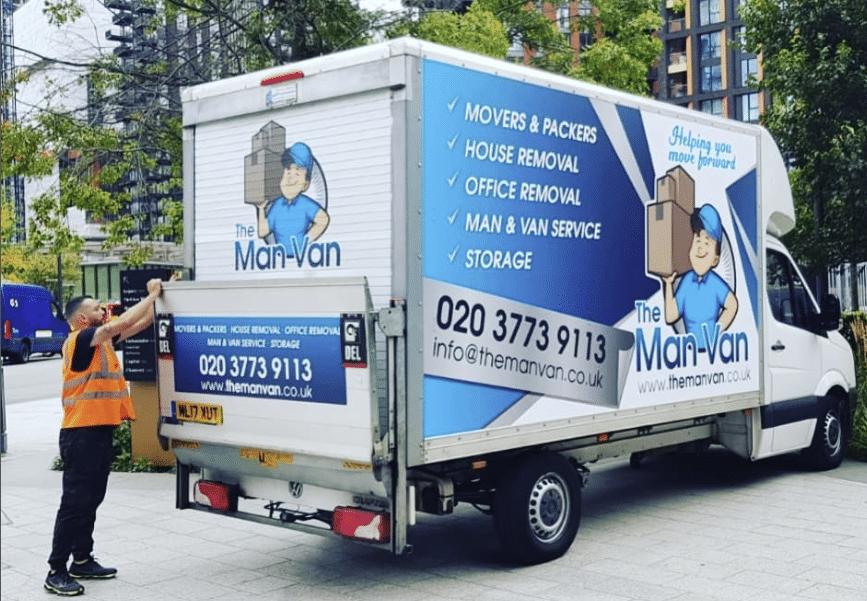
If you’re looking into a man and a van London service, explain the full route and what needs moving before booking. The Man Van advertises moves across London and the UK, but you should still confirm that your chosen service can handle your particular addresses, load and timing.
Be realistic about how much help you need, too. Moving a few boxes and a desk is a different job from moving beds, wardrobes and everything else in a family home. Ask about the vehicle size, loading help and whether furniture needs taking apart beforehand. It’s much easier to sort that out while the sofa is still comfortably in the living room.
Check Access at Both Properties
The distance between the two homes is only part of the job. Getting belongings from the front door to the van, and back out again at the other end, needs some thought as well. A narrow hallway, several flights of stairs or a long walk from the road can all change the plan.
Check where the vehicle can stop and whether you need to arrange parking or access in advance. For a flat, find out about lift access and any building arrangements for moving furniture. Give the moving company those details rather than assuming they will be able to pull up outside.
Measure larger furniture and awkward doorways before moving day. Nobody wants to discover that a favourite wardrobe will fit perfectly in the bedroom but won’t make it round the stairs. Keep any screws and fittings in labelled bags, attached securely to the matching furniture where practical.
Get a Clear Quote Before You Commit
There are enough expenses involved in moving without having to guess what the transport will cost. When requesting a man with a van quote, have your collection and delivery postcodes, preferred date and a realistic list of belongings ready. Mention stairs, heavy items and any awkward access.
Ask what the price includes and whether it is based on time, a fixed job or another arrangement. It’s also worth checking how waiting time, changes to the booking and extra items are handled. Keep the agreed details somewhere you can find them easily, rather than buried beneath a week’s worth of messages.
Allow for the rest of the day’s spending as well, including your own travel, food and anything you need for the first night. Individually, those bits can look quite small. Put them together, though, and they deserve a place in the budget.
Sort Through Things Before Packing Them
Packing is a good opportunity to be honest about what you still use. That doesn’t mean throwing away everything that hasn’t been touched recently. It means deciding whether you want to find space for it in the new home before spending time wrapping it and carrying it there.
Start with one cupboard or one drawer, especially if the whole house feels a bit much. Separate things to keep, donate, sell or dispose of, and arrange for unwanted items to leave before moving day. Otherwise, the bags marked for the charity shop can end up coming along for the ride.
If you are also preparing your current property for buyers, these simple changes to make before selling your home offer ideas for tidying and refreshing the space. You can work through manageable jobs while gradually reducing what needs packing.
Give Children a Part in the Move
Adults might be thinking about dates and paperwork while children are wondering where their things will go or when they will see their friends. Leave room for those questions, even when you have a long list of jobs waiting. Some children will want every detail, while others may need time before they feel like talking.
Give them a few choices they can manage, such as which books to keep out or what to put in their travel bag. Older children could help plan their bedroom or look up places they would like to explore nearby. Small decisions give them something of their own to focus on.
Keep favourite comfort items accessible, along with chargers, headphones and something to do during the journey. And agree on how everyone will stay in touch with people they are leaving behind. You don’t need a packed social calendar ready for the first week, but having something to look forward to can help.
Pack for the First Night Separately
By the time you arrive, hunting through six boxes for clean pyjamas is unlikely to be anyone’s idea of fun. Pack a bag with overnight clothes, toiletries, towels and anything each person needs before bed. Keep essential medicines, important documents and valuables with you.
A separate box for the kettle, mugs, tea, snacks and a few kitchen basics is useful too. Label it clearly and make sure you know where it will travel. There is little comfort in having packed it beautifully if it’s behind every other box in the van.
Once you’re in, concentrate on making the beds and keeping the main walkways clear. Our post on making your home safer includes practical reminders about lighting and trip hazards that are useful while you’re getting organised.
Leave Some Room for Settling In
A move between the North and London doesn’t finish when the last box comes through the door. There are new routes to learn, things to put away and ordinary routines to get used to. Try to leave some breathing space instead of expecting the whole family to feel settled straight away.
Get the rooms you use most working first, take a walk around the neighbourhood and find somewhere to pick up the basics. The pictures can wait a little longer. Having clean bedding, something for tea and a clear place to sit is a perfectly decent start.
*This is a collaborative post