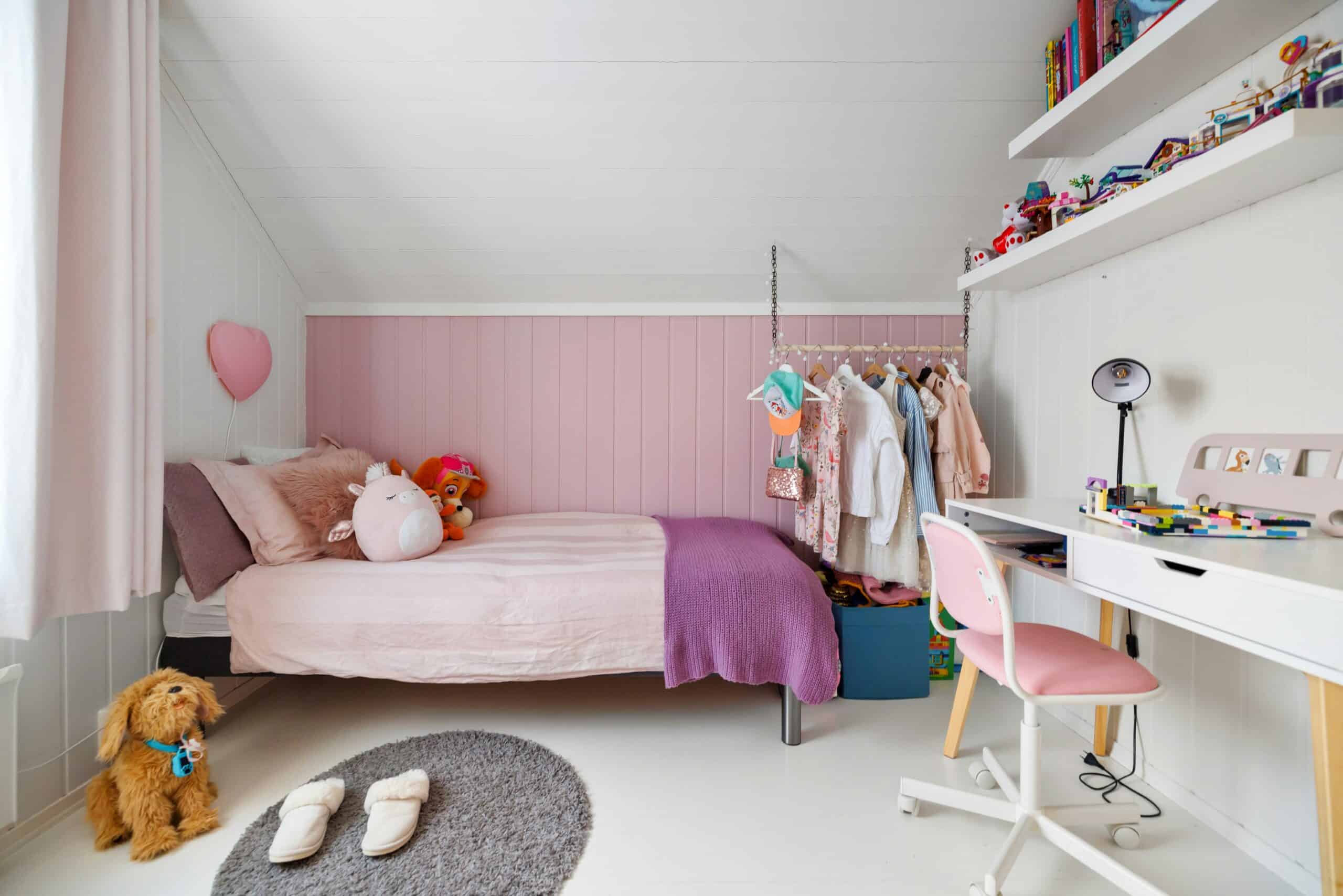
Creating a Room That Grows With Your Child Over the Years
Designing a child’s room can be one of the most enjoyable parts of setting up a home. It’s where you combine creativity and practicality to create a space that reflects your child’s personality while supporting their growth. The challenge comes in building a room that evolves as they do, without needing a complete redesign every few years.
A well-planned space can adapt from toddlerhood through the teenage years with only small adjustments. By focusing on versatility, comfort, and a few smart design choices, you can create a room that grows naturally alongside your child.
Start with a flexible foundation
When planning a child’s room, it’s best to begin with a neutral base. Choosing timeless furniture, subtle colours, and adaptable storage allows the space to change without feeling outdated. It also makes it easier to update accessories and decorations as their interests change over time.
Instead of filling the room with themed decor that might lose appeal over time, keep the foundation simple and use smaller details like artwork, rugs, or cushions to add a touch of personality.
Make playtime part of the design
Play is an important part of growing up, so it helps to design a room that encourages it while still keeping things organised. A designated play area can make tidying up simpler and prevent toys from spreading throughout the house.
Including functional furniture like kids tables and chairs gives your child a comfortable place for crafts, puzzles, or homework as they get older. It creates a sense of independence while also teaching them how to care for their space.
Focus on storage that adapts
As children grow, so do their belongings. Their favourite clothes, books, and games will start to change, and storage needs to keep up with their interests. A good solution is investing in modular or adjustable shelving that helps the room stay neat without limiting how the space can be used in the future.
Storage baskets, under-bed drawers, and wall-mounted units are also great options for keeping things tidy. When everything has its place, the room stays organised and practical even during the busiest days. Doing this early on will also instill good organisational habits into your children, making it easier to keep things neater and tidy.
Design with comfort in mind
Comfort is also about how the room feels to spend time in. Soft lighting, layered textiles, and calming colours can help create a soothing atmosphere. This makes it easier for your child to relax, focus, and enjoy their space throughout the day.
Organising your child’s toys and other items so they’re easy to access can also make the room feel more personal. When everything is within reach, play and study becomes easier and tidying up feels less like a chore.
A room that grows with your child should ultimately combine flexibility, comfort, and personal touches. By choosing adaptable furniture, creative storage, and simple design elements, it’s possible to build a space that supports every stage of childhood. With thoughtful planning, the room becomes a lasting reflection of their journey and individuality.
*This is a collaborative post