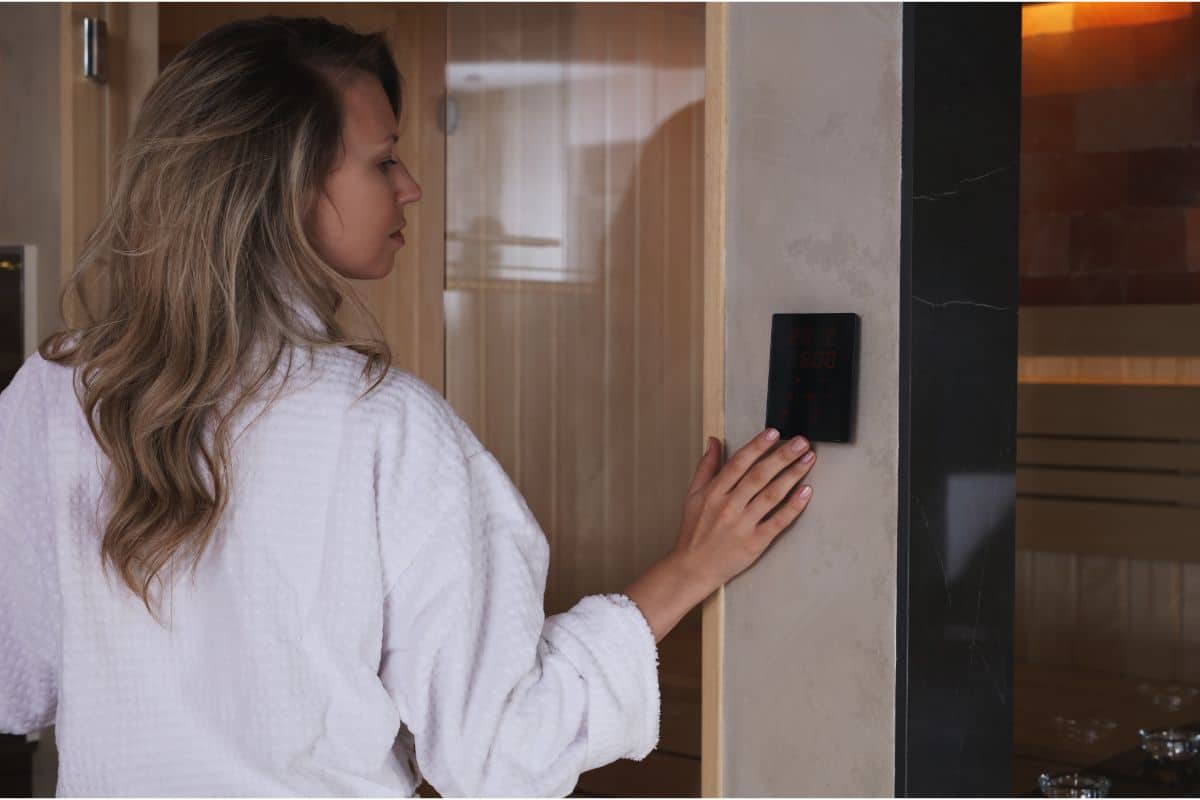
Step-by-Step Guide on Choosing the Best Sauna for Your Home
Thinking about adding a sauna to your home? It’s a fantastic idea. Saunas aren’t just about luxury; they bring health benefits, relaxation, and even a touch of Scandinavian charm to your space. But with so many options available, how do you know which one is right for you? That’s where this guide comes in. By the end, you’ll have a clear idea of what to look for, how to decide, and the steps to make it happen.
Why Invest in a Home Sauna?
Before diving into the details, let’s quickly look at why saunas like those at https://vidalux.co.uk/home-saunas are such a popular choice for homes. A home sauna isn’t just a trendy feature; it’s a long-term investment in your health and wellbeing. Regular sauna use has been linked to improved circulation, reduced stress, and even better skin. Plus, there’s something undeniably appealing about having a dedicated space to unwind without leaving your house.
If you’re ready to enjoy the benefits, it’s time to choose the perfect one.
1. Decide on the Type of Sauna That Suits You
Saunas come in several styles, and understanding the differences is key to finding your ideal match. Here are the main types:
Traditional Finnish Sauna
This is the classic sauna experience, where rocks are heated on a stove and water is poured over them to create steam. The temperature typically ranges from 70°C to 100°C, offering an intense, authentic feel.
Infrared Sauna
Instead of heating the air, infrared saunas use light to warm your body directly. They operate at lower temperatures, usually between 50°C and 60°C, making them ideal for those who want a gentler heat.
Steam Sauna
These focus more on humidity than heat. Steam rooms are perfect if you prefer a moist heat experience and are also great for skincare.
Portable Sauna
If you’re not quite ready to commit to a full installation, portable saunas are a cost-effective and flexible option. They’re easy to set up and move but might not give the full experience of a built-in model.
2. Consider the Space You Have Available
The amount of space you have will play a huge role in deciding which sauna is right for you. Start by measuring the area where you plan to install it. Whether you’re looking at converting a spare room, using part of a bathroom, or even setting up an outdoor sauna, knowing your dimensions is critical.
Think about ceiling height too. Most saunas require at least two metres of vertical space. For outdoor saunas, check if your garden or patio can accommodate a structure and whether it will be exposed to the elements.
3. Look at the Materials
A sauna isn’t just about functionality – the materials it’s made from affect its longevity, appearance, and even how it feels to use. High-quality wood is the gold standard for saunas because it resists heat and moisture while maintaining a comfortable surface.
The most popular choices include:
- Cedar – Known for its durability and natural resistance to mould and mildew. It also has a lovely scent.
- Hemlock – A cost-effective option that still delivers great performance.
- Aspen or Alder – Light-coloured woods that give your sauna a bright, airy look.
Be wary of saunas made with inferior materials or ones that include plastics and synthetics, as these can break down over time or give off unpleasant smells when heated.
4. Check the Power Requirements
Saunas rely on heaters, and these come with their own power needs. A traditional sauna with a wood-burning stove might not require an electrical connection, but most electric saunas will.
- Smaller electric saunas may work with standard 240-volt household outlets.
- Larger models might need a dedicated 240-volt circuit installed by a professional electrician.
Don’t forget to factor in installation costs if you’re going for something beyond a basic plug-in option.
5. Pick the Right Size
Who will be using your sauna? If it’s just for you, a small two-person model might be enough. For families or anyone planning to host friends, a larger sauna is a better choice. Keep in mind that bigger saunas require more power and may need additional ventilation if installed indoors.
6. Plan for Ventilation and Maintenance
Ventilation is often overlooked but essential for keeping your sauna comfortable and safe. Proper airflow helps prevent mould and ensures fresh air circulates during your sessions. This is especially important for indoor saunas, where trapped humidity can cause problems if not managed.
Maintenance is another consideration. Traditional saunas need regular cleaning and occasional upkeep of the wood. Infrared saunas, on the other hand, tend to be lower maintenance since there’s no steam or water involved.
7. Don’t Forget About Features and Accessories
Modern saunas come with a range of extras that can enhance your experience. Here are a few to think about:
- Lighting – Some saunas include LED lighting or chromotherapy options.
- Sound Systems – Built-in speakers let you enjoy music or guided meditations.
- Timers and Controls – Smart controls can help you manage temperature and session length.
These features aren’t essential, but they can add a touch of luxury and convenience to your setup.
8. Budget Smartly
Finally, think about your budget. Saunas range widely in price, from a few hundred pounds for a portable option to several thousand for a custom-built model. Beyond the upfront cost, remember to include any installation fees, running costs, and long-term maintenance.
While it’s tempting to cut corners, investing in a high-quality sauna will save you money in the long run. Cheap models may not last and can end up costing more to repair or replace.
The Warmth of a Well-Informed Choice
Choosing the best sauna for your home isn’t just about picking the fanciest model – it’s about finding the one that fits your needs, space, and lifestyle. Whether you’re drawn to the traditional charm of a Finnish sauna or the gentle heat of an infrared option, knowing what to look for ensures you’ll enjoy every moment of your new addition.
*This is a collaborative post