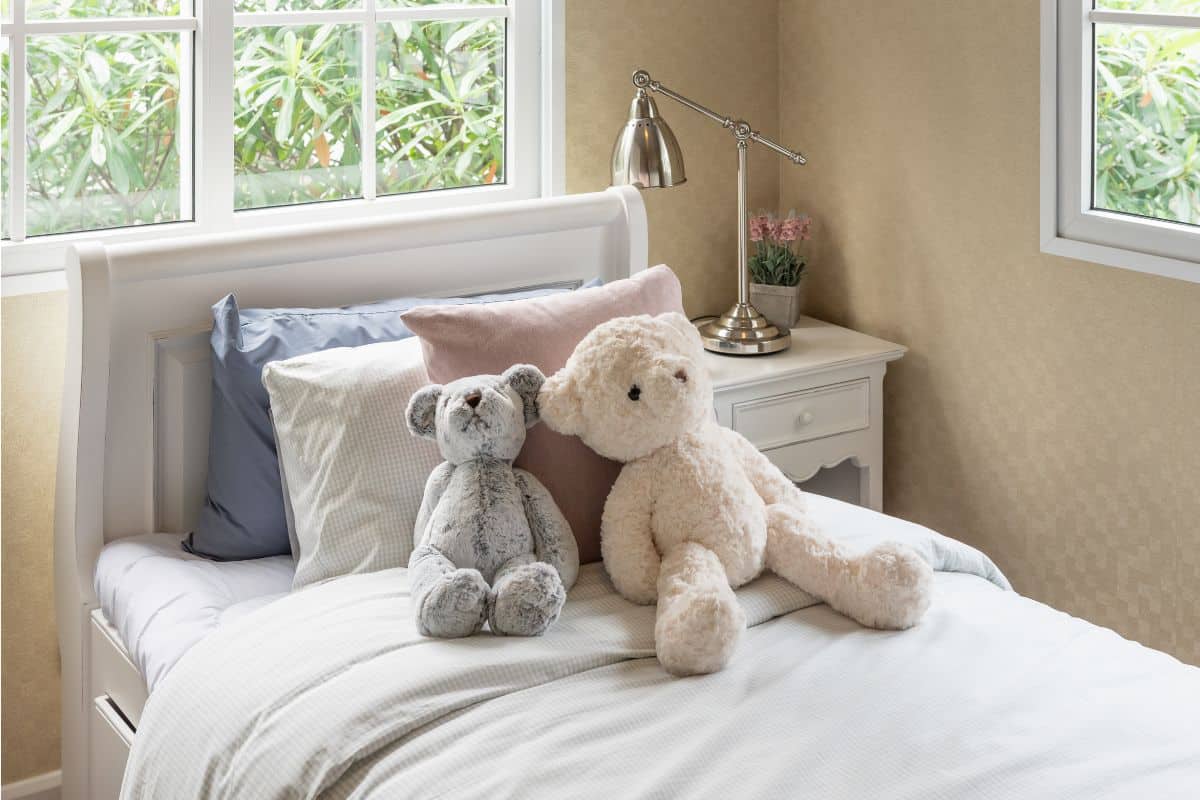
Designing a Sleep-Friendly Bedroom for Your Child
Creating a sleep-friendly bedroom for your child involves more than just a comfy bed. It’s about crafting a space that promotes relaxation, security, and a good night’s sleep. To help you create the perfect soothing sanctuary to coax pleasant dreams, here are some practical tips to help you design a room where your child can rest, recharge, and thrive.
1. Choose the Right Bed
The bed is the centrepiece of any bedroom, so choosing the right one is crucial. For children, comfort and safety are paramount. A child’s cabin bed from Children’s Bed Shop is a great option. They are not just a place to sleep, but also come with built-in storage and sometimes even play areas, making them both practical and fun.
2. Opt for Calming Colours
Colour plays a significant role in creating a restful environment. Soft, muted tones like pastels, whites, and greys can create a serene atmosphere. Avoid bright, stimulating colours on the walls, as these can make it harder for your child to wind down at bedtime. You can add pops of colour with bedding and accessories to keep the room cheerful without overwhelming the senses.
3. Control the Lighting
Proper lighting is essential for a sleep-friendly bedroom. During the day, natural light is beneficial, so ensure the room has plenty of it. At night, the lighting should be dim and soothing. Consider using blackout curtains to block out any external light that might disturb your child’s sleep. A dimmable lamp or night light can provide enough light for bedtime stories without being too bright.
4. Ensure a Quiet Environment
Noise can be a significant disruptor of sleep, so maintaining a quiet bedroom environment is crucial. Thick carpets, rugs, and curtains are excellent for dampening noise from outside or other parts of the house, creating a more peaceful atmosphere. Additionally, placing furniture strategically against shared walls can help reduce sound transmission. If external noise is unavoidable, consider using a white noise machine to mask disruptive sounds. These machines can provide a consistent, soothing background noise that helps drown out sudden, startling sounds and promotes uninterrupted sleep.
5. Keep the Room Cool
Maintaining a cool room temperature is key to fostering good sleep. Aim for a temperature between 16 and 20 degrees Celsius, as this range is ideal for sleep comfort. Use breathable bedding materials like cotton or bamboo, which help regulate your child’s body temperature and wick away moisture.
In warmer months, ensure the room is well-ventilated by opening windows or using fans. A ceiling fan can be particularly effective, as it keeps air circulating without being too noisy. These steps will help create a comfortable sleeping environment throughout the year.
6. Limit Screen Time Before Bed
Screens emit blue light, which can interfere with the production of melatonin, the hormone responsible for regulating sleep.
To promote better sleep, it’s important to limit your child’s screen time in the hour leading up to bedtime. Establish a screen-free zone in the bedroom to reduce the temptation of late-night device use. Encourage alternative activities such as reading, drawing, or playing with toys, which are calming and do not involve screen exposure. This practice not only helps in winding down but also fosters creativity and imagination.
7. Incorporate Relaxing Bedtime Routines
A consistent bedtime routine can signal to your child that it’s time to wind down and prepare for sleep. Engage in calming activities like reading a favourite book, listening to soothing music, or having a warm bath. These activities help your child transition from the busyness of the day to a more relaxed state.
Keep the routine consistent each night to establish a sense of predictability and security. Over time, these bedtime rituals become cues that it’s time to sleep, making it easier for your child to settle down and fall asleep more quickly.
8. Address Night-time Fears
If your child has fears about the dark or sleeping alone, it’s important to address these concerns with empathy and understanding. A gentle night light can provide reassurance without being too bright, helping your child feel more secure.
Incorporating bedtime stories that address their fears or using comfort objects like a favourite stuffed animal can also be very helpful. These items provide a sense of security and can make bedtime a more comforting experience.
Discussing their fears during the day can also help in finding practical solutions and reassuring them that their bedroom is a safe place.
9. Use Soothing Scents
Certain scents, like lavender and chamomile, are known for their calming effects. Consider using a small amount of essential oil in a diffuser or a lavender-scented pillow spray to create a soothing bedtime environment. Ensure that any scents used are child-safe and not too overpowering.
Designing a sleep-friendly bedroom for your child is about creating a space that is comfortable, calm, and conducive to rest. By considering these tips, you can help ensure your child gets restful and rejuvenating sleep every night.
*This is a collaborative post