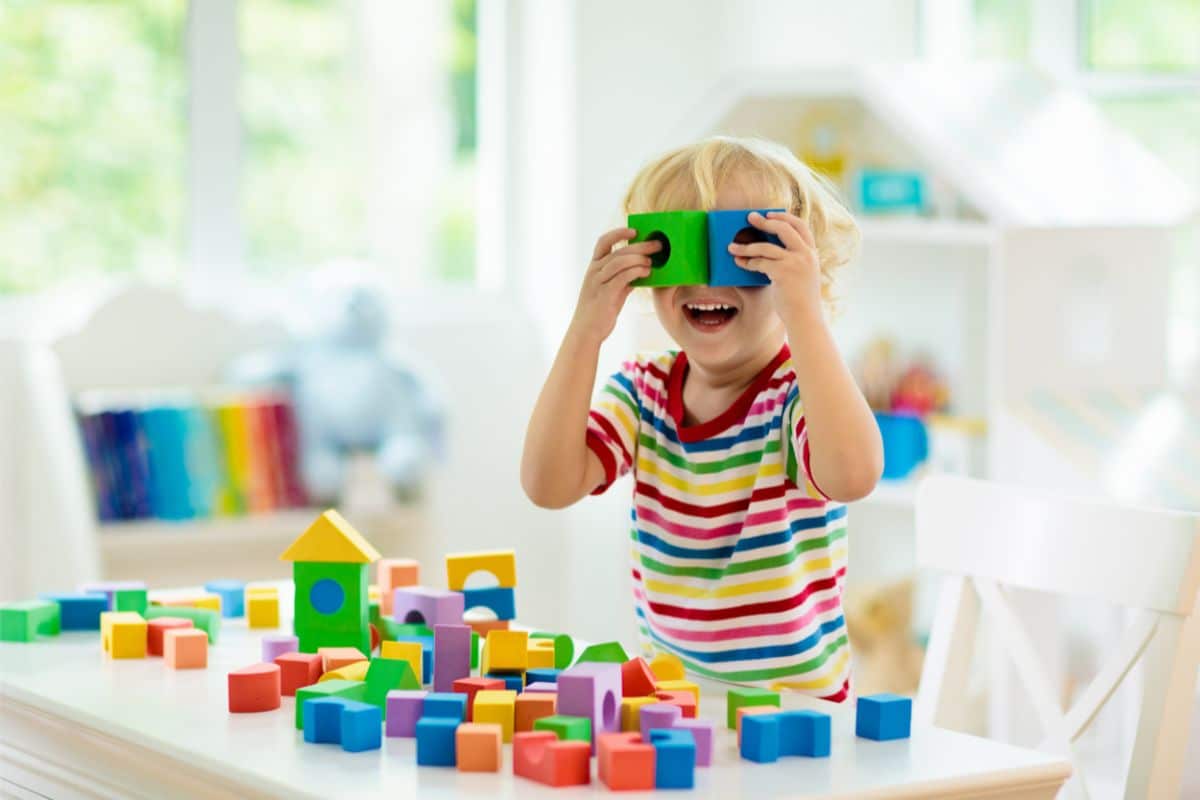
Why Educational Toys Matter: The Key Benefits for Early Childhood Development
In today’s increasingly digital world, parents are constantly on the lookout for toys that not only engage their children but also contribute positively to their development. Among the most popular choices are educational toys, particularly wooden Montessori educational toys, which provide young learners with hands-on experiences that foster curiosity, creativity, and essential life skills. This article explores why educational toys matter, especially in early childhood, and highlights the key developmental benefits they offer.

What Are Educational Toys?
Educational toys are specifically designed to teach children concepts, skills, or knowledge while keeping the experience fun and engaging. Unlike traditional toys, which may only provide entertainment, educational toys focus on improving cognitive, social, emotional, and motor skills. They can range from puzzles and building blocks to science kits and musical instruments. In recent years, wooden Montessori educational toys have gained popularity for their minimalist design and versatility, allowing children to engage in open-ended play.
The Montessori Approach and Wooden Educational Toys
The Montessori method of education, founded by Dr. Maria Montessori in the early 20th century, is a child-centered approach that promotes independence, self-discipline, and a love for learning. Montessori classrooms feature natural materials, including wooden toys, which offer sensory-rich experiences that stimulate young minds. Wooden Montessori educational toys, in particular, encourage hands-on exploration and problem-solving, aligning with Montessori’s core philosophy of “learning by doing.”
Montessori toys are typically simple in design but rich in possibilities, which means children can use them in various ways to explore concepts such as counting, sorting, and spatial relationships. These toys often focus on developing fine motor skills, hand-eye coordination, and practical life skills that lay a strong foundation for academic success and personal growth.
Key Benefits of Educational Toys in Early Childhood Development
The early years of a child’s life are critical for brain development. During this period, children form connections in the brain that will serve as the foundation for future learning. Educational toys, especially those rooted in the Montessori philosophy, play an essential role in enhancing these developmental milestones. Here are some of the primary benefits they offer:
1. Enhancing Cognitive Development
Cognitive development is the ability to think, reason, and understand the world. Educational toys help to sharpen cognitive skills through activities that encourage problem-solving, logical thinking, and memory recall. For example, puzzles teach children how to match shapes and colours while also improving their ability to recognise patterns.
Wooden Montessori educational toys, such as shape sorters or stacking blocks, challenge children to think critically and strategically as they play. These toys also help to introduce basic concepts of math and science, such as balance, geometry, and cause and effect, in a natural, enjoyable way.
2. Promoting Fine Motor Skills and Physical Coordination
Many educational toys are designed to refine children’s fine motor skills, which involve the small muscles of the hands and fingers. Fine motor skills are crucial for tasks such as writing, tying shoelaces, and buttoning clothes. Toys like wooden stacking rings, threading beads, and lacing boards encourage children to practise movements that build dexterity and coordination.
These hands-on activities also improve hand-eye coordination, which is essential for many future skills, from reading and writing to playing sports. When children engage with educational toys that require precise movements, they build strength and control in their hands, preparing them for later tasks like holding a pencil or using scissors.
3. Fostering Social and Emotional Skills
Playing with educational toys, especially in group settings, helps children develop social and emotional skills. Cooperative play allows children to practice sharing, taking turns, and understanding different perspectives. Through interactive play, they learn to communicate their thoughts, negotiate roles, and solve conflicts.
Montessori toys are particularly effective for building these social skills because they often encourage open-ended, collaborative play. For instance, a simple set of wooden building blocks can become a shared construction project, requiring children to work together and support each other’s ideas. This cooperative interaction not only builds confidence but also teaches empathy and respect for others.
4. Encouraging Creativity and Imagination
Creative play is a significant aspect of childhood development, enabling children to express themselves and think in innovative ways. Educational toys provide opportunities for imaginative exploration and creative problem-solving. For instance, wooden blocks or magnetic tiles allow children to build structures, invent stories, and engage in pretend play. This type of play encourages children to think outside the box, building the foundation for flexible thinking and problem-solving skills.
Montessori educational toys are especially effective in fostering creativity because they are often minimalist in design, allowing children to decide how they want to interact with the toy. A set of simple wooden shapes, for example, could become a house, a car, or even a spaceship in the mind of a child. This open-ended quality encourages children to explore their imagination and discover multiple uses for the same toy, fostering a love for creativity.
5. Building Independence and Self-Confidence
Montessori philosophy emphasises independence and self-motivation, teaching children to take charge of their own learning experiences. Educational toys that support this approach, like wooden Montessori educational toys, encourage children to explore and discover on their own. By engaging in self-directed play, children learn to solve problems independently, make choices, and take pride in their accomplishments.
For example, when a child successfully completes a puzzle or builds a tower from blocks, they experience a sense of achievement, boosting their self-confidence. Educational toys provide opportunities for trial and error, allowing children to learn from their mistakes in a safe and supportive environment. This process not only builds resilience but also instils a growth mindset, teaching children that persistence and effort can lead to success.

Choosing the Right Educational Toys for Your Child
Selecting the best educational toys for your child’s development depends on their age, interests, and developmental stage. Here are some tips for making informed choices:
- Consider Age Appropriateness: Choose toys that match your child’s age and skill level to ensure they are neither too challenging nor too easy.
- Look for Versatile, Open-Ended Toys: Wooden Montessori educational toys are excellent choices as they encourage multiple types of play and learning.
- Focus on Skills, Not Gender: Avoid toys that reinforce gender stereotypes; instead, focus on toys that build essential skills, such as problem-solving, creativity, and physical coordination.
- Limit Screen-Based Toys: While digital educational toys can be beneficial, excessive screen time is generally discouraged in early childhood. Opt for tactile, hands-on toys that promote real-world exploration.
Final Thoughts
Educational toys are not just about entertainment; they play an essential role in the holistic development of a child. From cognitive and physical skills to social and emotional intelligence, educational toys lay the groundwork for future success. Wooden Montessori educational toys, in particular, provide a sustainable and enriching approach to early childhood education. They encourage children to explore, imagine, and learn at their own pace, fostering independence and a love for learning that can last a lifetime.
As parents, choosing the right educational toys can make a significant impact on your child’s development. By investing in toys that support curiosity, resilience, and creativity, you are giving your child the tools they need to navigate the world confidently and compassionately.
*This is a collaborative post