
The Ultimate Boiler Maintenance Checklist
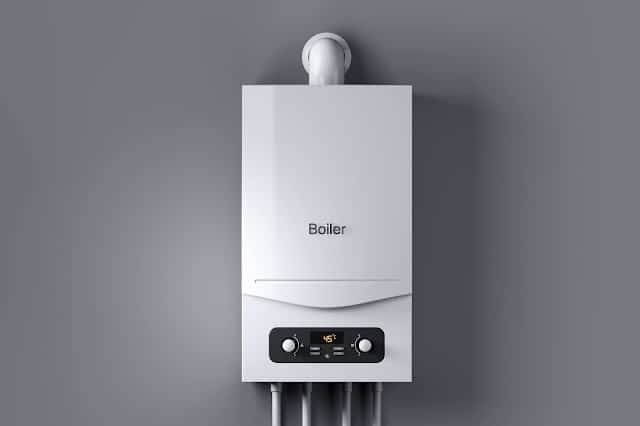
Boiler maintenance can be intimidating. It’s tempting to wait until something goes wrong before giving your boiler the attention it needs, but this can be costly, time-consuming and at worst, extremely dangerous.
Many assume they don’t have the knowledge to complete the required duties, and instead of taking the time to learn or hire a professional, abandon the job instead.
Knowing where to start can be difficult, but the majority of boiler maintenance errands are easy to learn and don’t necessarily require much effort. To keep your boiler healthy, complete the tasks in this checklist.
Annual service
You may be required under the terms of your warranty to get a qualified engineer to service the boiler annually. If you fail to do so, any future claims could be invalid. But even if it’s not, a yearly check-up is a vital part of boiler maintenance.
It will detect any problems early to prevent the boiler from breaking unexpectedly and ensure it’s running efficiently to avoid it, causing your energy bills to soar. Most importantly, it’ll eliminate any dangers such as harmful leaks.
If the engineer uncovers serious faults, it may be time to invest in a replacement boiler instead of paying for recurring repair costs.
If your boiler is old, a new boiler might be the most cost effective way to ensure it runs smoothly and saves your pocket in the long run. Toasti can help you if you need help with installing a new boiler.
This process doesn’t have to be time-consuming. A ‘find a boiler’ tool can identify the type of boiler you need by asking you a few simple questions about your home. The online service can even organise the entire installation process for you. Another credible place to get a new boiler installed for a get price is Heatable, with thousands of positive reviews on TrustPilot and a price match guarantee, you are likely to save a significant amount than if you went with the likes of British Gas.
Check the boiler pressure
The boiler pressure should ideally be between 1 and 2 bars for the water to flow through the home efficiently. To prevent it from getting too high or low, check the pressure gauge, which is often on the front of gas boilers.
If the pressure is too low, repressurise the boiler when it’s turned off and left to cool. Then open the valves to let more water into the system using a filling loop. Close each valve once the pressure gauge reaches 1.5 bar and turn the boiler back on. Press the reset button if required.
The filling loop process and design can vary. It could be fitted into the boiler but if it comes as an attachment, remove it carefully after use.
Alternatively, hire a professional to complete this job if you aren’t confident you can complete it safely or if the pressure falls again.
A high boiler pressure can be solved by bleeding your radiator, but if that doesn’t work, the boiler might need repairing or replacing.
Bleed and balance radiators
Radiators need bleeding when the air becomes trapped inside, which can cause cold spots, gurgling noises and lengthen the time it takes for them to heat up. This might encourage you to turn the thermostat up, resulting in costly energy bills.
Before bleeding the radiators, turn the heating off and wait for around 20 minutes for the radiators to cool. Then place a towel below the radiator to catch any leaks.
To complete the process, insert the radiator bleed key into the bleed valve and twist it anticlockwise until you hear a hissing sound. Be careful not to fully open the valve as this will trigger radiator water to flood out. Once the air has stopped coming out, and water has started dribbling, close the valve by twisting the key clockwise. Ensure you don’t overtighten it.
Continue this process on all the radiators and then check you haven’t released too much water, causing a low boiler pressure.
You may need to get the radiators balanced if they aren’t all heating up at the same time. This will allow the water to flow evenly between radiators. This is quite a lengthy process, so if you can’t dedicate a day to this job, appoint a professional.
If your radiators need bleeding or balancing regularly, the engineer may also need to perform a Powerflush to remove any debris, rust, and dirt that has accumulated.
Turn the heating on regularly
Although it seems insane to put the heating on during the sweltering summer heat, it keeps the boiler in good health. Leaving the heating off for a long time until winter can cause the boiler to seize up and then break when it’s most needed.
You don’t need to sit in a red-hot house all day. Just put it on at least once a month for 10-15 minutes through summer. But if you go away during winter, set the heating to come on for around an hour each day.
Lag pipes
Insulate the boiler’s external condensate pipe with lagging before winter. Otherwise, it could freeze and cause the boiler to breakdown.
Check the flame is blue
If your boiler flame is visible, check it’s a strong blue colour. If the flame is yellow or orange, contact a Gas Safe engineer immediately as there could be a risk of a carbon monoxide leak.
Boilers are most likely to breakdown in January and December. To avoid being left without hot running water and heated radiators during winter, conduct the necessary boiler maintenance checks to ensure it can withstand regular use.
If you are in need of boiler repairs, experts like Bbright can help pinpoint what’s happened to your boiler and resolve your problem so you can enjoy your cosy winter months without the stress and frustrations a faulty boiler brings.

Good advice thanks
We had our old boiler replaced last month, ahead of the winter rush, and we used a firm that also will service the boiler every year (£60). Doing this also extended the boiler warranty to 10 years!
We used Smart Plumbing in Huddersfield.