High blood pressure is often called the “silent killer” because it usually doesn’t cause obvious symptoms, yet it can increase the risk of heart disease, stroke and other serious health problems. The good news is that making small, consistent changes to your everyday routine can have a big impact on keeping blood pressure under control. Here are some simple habits that can support a healthier lifestyle and help you feel more in charge of your wellbeing.
Start with a balanced diet
What you eat has a direct influence on your blood pressure. A diet rich in fruit, vegetables, whole grains, lean protein and healthy fats provides the nutrients your body needs to function at its best. Reducing salt is especially important, as too much sodium makes the body hold onto water, which raises blood pressure. Cooking more meals at home, seasoning with herbs instead of salt and choosing low-sodium options when shopping can make a real difference.
Stay active every day
Exercise is one of the most effective natural ways to manage blood pressure. You don’t need to spend hours in the gym – even a brisk 30-minute walk most days of the week can be enough to lower readings. Activities like cycling, swimming, yoga or dancing all help the heart and blood vessels stay strong. Regular movement also reduces stress, improves sleep and boosts energy levels, all of which contribute to healthier blood pressure.
Maintain a healthy weight
Carrying extra weight puts added strain on your heart and can make high blood pressure more likely. Losing even a small amount of weight can lower pressure and improve overall health. Rather than aiming for quick fixes, focus on sustainable habits such as portion control, balanced meals and regular exercise. Celebrating progress in small steps can keep you motivated without feeling overwhelmed.
Limit alcohol and caffeine
Drinking too much alcohol can raise blood pressure and reduce the effectiveness of some medications. If you choose to drink, aim to keep within recommended weekly limits. Caffeine can also cause temporary spikes in blood pressure, so it’s wise to be mindful of how much tea, coffee and energy drinks you consume throughout the day. Switching to herbal teas or decaf options may help if you find yourself drinking several cups daily.
Manage stress effectively
Long-term stress can contribute to high blood pressure. While it’s impossible to remove stress completely, how you manage it can make a big difference. Simple techniques such as deep breathing, meditation, journaling or spending time outdoors can calm the mind and reduce tension in the body. Making time for hobbies, connecting with loved ones and getting enough rest also play a role in keeping stress levels under control.
Prioritise quality sleep
Lack of sleep or poor-quality rest is linked to higher blood pressure. Most adults need around seven to nine hours of sleep each night, but it’s the quality of rest, not just the amount, that really counts.. Creating a relaxing bedtime routine, keeping your bedroom dark and quiet, and limiting screen time before bed can improve sleep patterns. Over time, this helps the body regulate blood pressure more effectively.
Keep an eye on your blood pressure
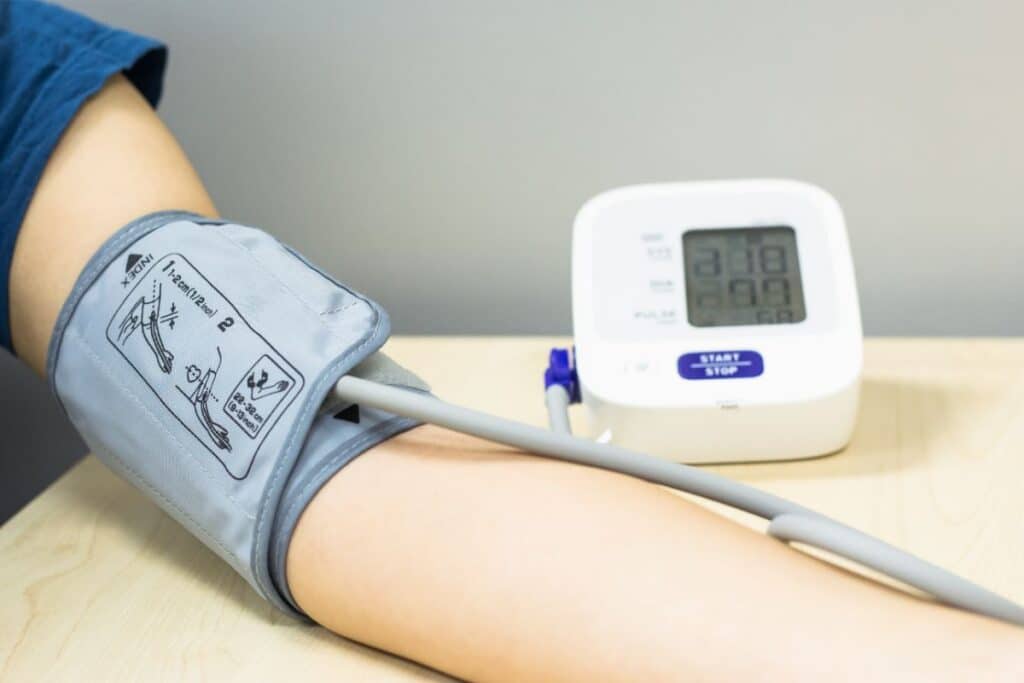
Even with healthy habits, it’s important to monitor your readings regularly. High blood pressure often develops without obvious signs, so a professional check can help catch problems early. You can arrange a simple and quick blood pressure check to see where you stand and take steps if needed. Having a record of your readings also helps your healthcare provider give you the best advice for your situation.
In conclusion
Keeping blood pressure in check doesn’t have to mean major lifestyle overhauls. Small, everyday choices add up to lasting improvements. Eating well, moving more, sleeping better and managing stress are all practical ways to support heart health. Pairing these habits with regular checks ensures you can take control of your wellbeing with confidence.
*This is a collaborative post
*Always seek help from a medical professional – this post is informational not professional advice