
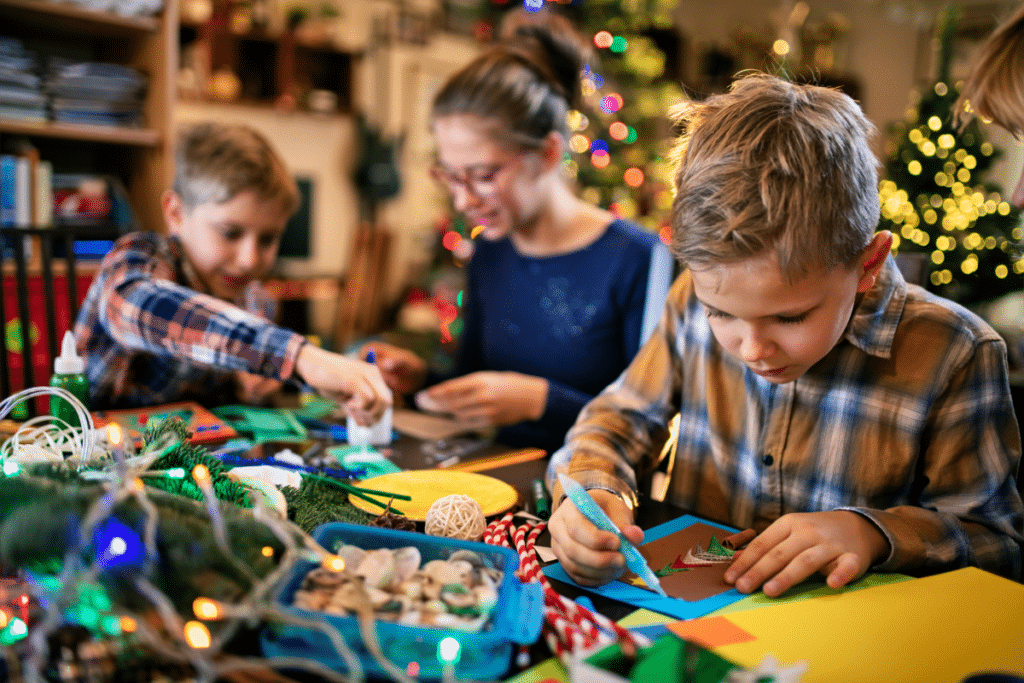
Christmas traditions passed from our parents and grandparents are sometimes the moments we remember most from our childhood. They are the little things that shape how Christmas feels, from the way the tree is decorated to what happens on Christmas Eve. Traditions do not need to be grand or expensive. In fact, the most loved ones are often the simplest, built around time, comfort and togetherness.
As families grow and change, traditions naturally evolve. New babies arrive, children grow older, relatives move away and priorities shift. This makes Christmas the perfect time to reflect on what really matters and, if needed, create new traditions that suit your family now, not just how things used to be.
Why Family Christmas Traditions Matter
Traditions give Christmas a sense of rhythm and familiarity. They help children feel secure and excited, knowing that certain things will happen every year. For adults, traditions can slow things down during an otherwise busy season and offer moments to pause and connect.
Family Christmas traditions also help create shared memories. Years later, it is often these small rituals that are remembered most fondly, rather than the gifts themselves. A familiar routine can turn an ordinary evening into something special simply because it happens every December.
Letting Go of Pressure
One of the biggest barriers to enjoying Christmas traditions is pressure. Social media can make it feel as though every family is baking, crafting and hosting picture-perfect celebrations. In reality, traditions should fit your family’s lifestyle, energy levels and budget.
It is perfectly fine to let go of traditions that no longer work. If something causes stress rather than joy, it may be time to change it or drop it altogether. Making new traditions is not about replacing memories, but about creating space for new ones.
Simple Christmas Eve Traditions
Christmas Eve often sets the tone for the whole celebration. Creating a calm and cosy routine can make the day feel special without being overwhelming.
Many families enjoy a relaxed evening together, perhaps with a festive film that is watched every year. Others choose a specific meal, such as homemade pizza, picky bits or a winter favourite that is easy to prepare. The key is consistency rather than complexity.
Another idea is a Christmas Eve box, which can be as simple as a pair of new pyjamas, a book and a snack to share. This does not need to be extravagant. Over time, it becomes something children look forward to as part of the countdown to Christmas morning.
Making Mornings Magical
Christmas morning traditions often stay with children for life. Some families open gifts as soon as they wake up, while others wait until everyone is together. There is no right or wrong approach, as long as it suits your household.
A shared breakfast can become a tradition in itself. This might be something indulgent that you do not usually have, or a familiar favourite served every Christmas morning. Sitting down together, even briefly, helps mark the moment before the excitement of the day takes over.
Creating a small ritual, such as reading a festive story or playing the same music each year, can also help ground the morning and make it feel more meaningful.

Traditions That Grow With Your Children
As children get older, traditions may need to adapt. What works for toddlers may not suit teenagers, but the core idea of spending time together can remain the same.
Inviting children to help plan a tradition gives them a sense of ownership. This could be choosing a festive activity to do each year, deciding on a meal or taking turns to suggest a family outing. When children feel involved, traditions are more likely to stick.
Older children may also enjoy traditions that focus on giving back, such as choosing a charity to support or helping others during the festive season. These experiences often leave a lasting impression and help build empathy alongside celebration.
Creating New Traditions as a Blended or Changing Family
For blended families or those navigating change, Christmas traditions can feel complicated. Different backgrounds, expectations and routines may need to come together in a way that feels fair to everyone.
In these situations, creating entirely new traditions can be helpful. Rather than trying to merge old ones, starting fresh allows everyone to build new shared memories without comparison or compromise. This could be something simple like an annual walk, a Christmas craft day, a board game afternoon, a Christmas movie afternoon where everyone gets to pick their favourite Christmas movie and snacks or a shared baking session to see who can make the best gingerbread house or Christmas cookie recipe.
New traditions can also help mark new beginnings, offering comfort and stability during times of transition.
Everyday Moments Made Festive
Not all traditions need to be saved for Christmas Day. Small festive habits throughout December can make the season feel special without adding pressure.
This might include visiting a Christmas market, going to see a pantomime, lighting candles at dinner, listening to festive music while getting ready in the morning or setting aside one evening / day a week for a family activity. These gentle routines can make the build-up to Christmas just as enjoyable as the day itself.
Keeping traditions low-key also makes them easier to maintain year after year, even when life feels busy, and if you go away during the festive season, you can still ensure some or all of your traditions go ahead as normal – pack those matching pajamas you bought in the sales, sign in (and out when you leave) to your TV subscription to watch some Christmas films and grab the hot chocolate and tin of sweets.
Starting Small and Staying Flexible
When creating new family Christmas traditions, it helps to start small. One or two meaningful routines are often more enjoyable than a packed schedule. Over time, these can naturally grow or change as your family does.
Flexibility is important. Traditions should support family life, not restrict it or make anyone feel uncomfortable or anxious. Some years will look different and not go to plan, and that is perfectly fine. The heart of any tradition is togetherness, not perfection.
Christmas traditions do not need to be inherited to be meaningful. The ones you create now, in your own way, may one day be the memories your children look back on with warmth. By focusing on connection rather than comparison, you can build festive traditions that truly belong to your family and stand the test of time.