5 Ways To Prepare For A Long Car Journey
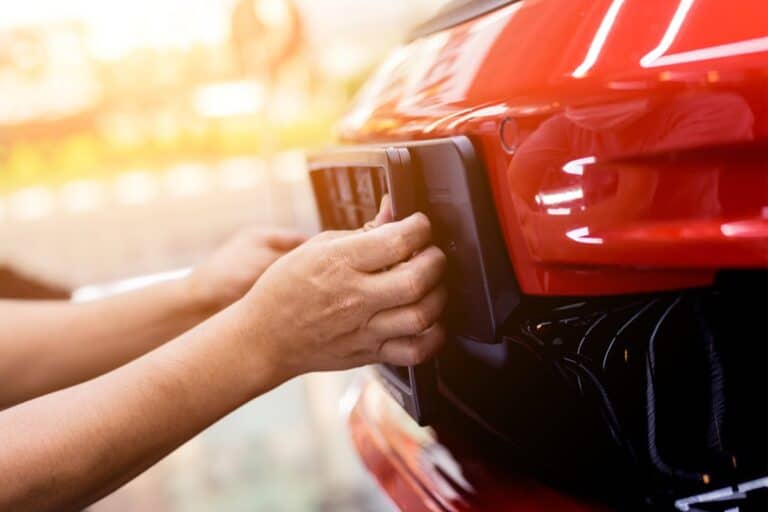
Preparing for a long car journey isn’t something that should be done in the 10 minutes before you’re due to leave. There are many issues that can arise from hitting the road without being unprepared or checking your vehicle is roadworthy. Travelling at speed or for long distances can put your car under extreme pressure, and the last thing you want to do is break down on a busy motorway or in the middle of nowhere because you didn’t take the time to check you had everything you needed and that your car did too.
What do you need to do before leaving for your trip?
Check Fluid Levels
Low fluid levels can spell disaster for any driver, but if you drive at high speeds for prolonged periods, the risk of an accident is drastically increased. At a minimum, you need to check your water, oil, brake fluid and coolant levels and ensure that you have extra in the car if you need it too. It can be a good idea to fill a petrol can and keep it in your car; you can legally keep up to 30 litres of petrol or diesel in your vehicle in up to two safe containers at any one time.
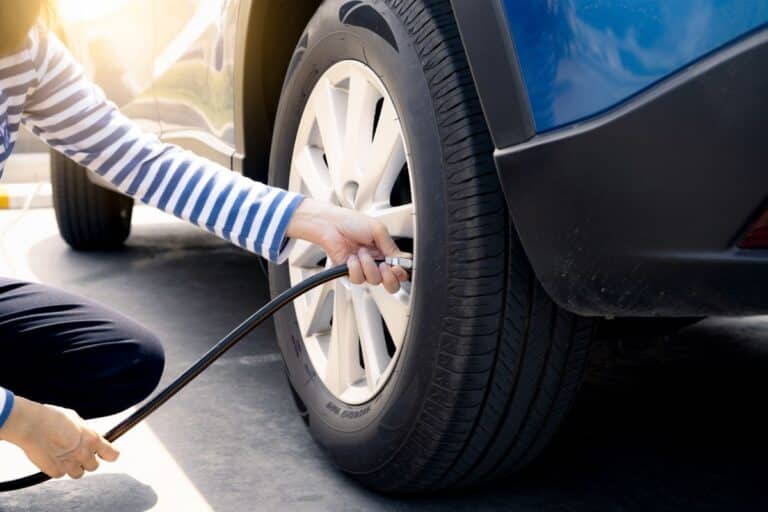
Tires
Your tires are your car’s only contact with the road, so before heading out, you should be checking your tires for any signs of wear or damage. You need to check air pressure, ensure they are correctly inflated, and have a puncture repair kit or spare tire available should you experience any issues.
Emergency Breakdown Cover
While emergency breakdown cover isn’t a legal requirement, it can give you peace of mind to have this in place, especially for long car journeys. The last thing you want is to have to head home or pay out massive recovery fees because you couldn’t continue driving for any reason. You should Compare Breakdown Cover to see what is available and for how much, and if you do take it out, make sure you allow the appropriate amount of time to pass before your journey so you are covered (some providers cover you instantly while others make you wait a certain amount of time for specific call outs).
Emergency Kits
Again, no one gets out thinking they will be involved in any car incident, but preparing for the worst can be a lifesaver if this happens.
From having extra fluid levels and a spare tire on board to keeping blankets, emergency warning lights, torches, batteries, water, dry snacks, a first aid kit, a jerry can, and a flashlight in your boot, there are many different emergency supplies you can have in your vehicle to help you out should you need them.
Sleep Well
Tiredness kills, and it can be just as dangerous to drive tired as under the influence. Currently, there are no laws that prevent you from driving when tired or any specific ways police can prove you are too tired to drive. Still, if you were to cause an accident through your own negligence because you drove when you were tired, you could be prosecuted for dangerous or careless driving. So make sure you get a good night’s sleep the night before, drink a coffee or two if you need it, take regular breaks, and if you do feel tired, open a window, turn the radio up or pull over when it is safe to do so.
*This is a collaborative post