How To Keep Your Car Running Smoothly All Year Round
Regular vehicle maintenance extends your car’s lifespan and increases safety, improves fuel efficiency, and prevents costly emergency repairs. According to the National Accident Helpline, properly maintained vehicles can last many more years longer than neglected ones and are a lot safer to drive.
- Seasonal Checks You Shouldn’t Skip
Each season brings its own challenges for your vehicle. In winter, battery capacity can drop in freezing temperatures, making regular battery testing essential. According to Direct Line Group, battery issues account for nearly 35% of winter breakdowns. Meanwhile, summer heat can strain cooling systems, with coolant efficiency declining approximately 10% annually. Key seasonal checks include testing your battery before winter, making sure there’s a proper coolant mixture before summer heat arrives, replacing wiper blades twice yearly, and checking all lights monthly.
- The Importance of Tyre Maintenance
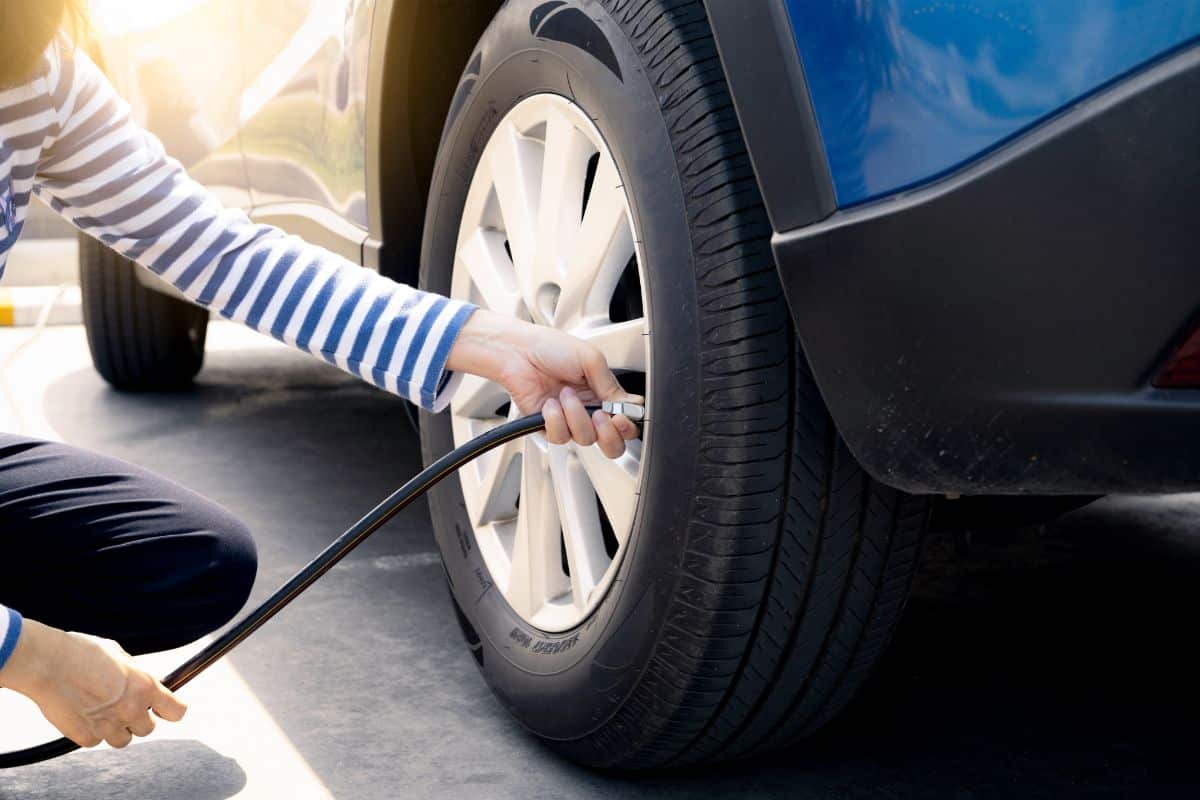
Tyres are your sole contact with the road, making their condition critical for both safety and performance. The TyreSafe organisation reports that defective tyres contribute to approximately 160 serious accidents annually in the UK, with insufficient tread depth being the most common issue. Regular tyre maintenance should include monthly pressure checks (including the spare), as underinflated tyres increase fuel consumption while reducing tread life. Tread depth should be checked using the 20p test, making sure the outer band of the coin remains visible when inserted into tread grooves. For great tyre assessment and replacement needs, tyre fitters in Harrogate and other specialist centres can give professional inspection and advice customised to your driving habits and vehicle specifications.
- Engine Health and Routine Servicing
Oil quality significantly impacts engine longevity, with modern synthetic oils typically requiring changes every 5,000-7,500 miles. However, extreme conditions like frequent short trips, towing, or dusty environments accelerate oil degradation and may necessitate more frequent changes. Air filters should be replaced approximately every 15,000-30,000 miles, though visual inspection every 6 months helps identify premature clogging that could reduce engine efficiency. In a similar way, fuel filters usually need replacement every 30,000 miles to prevent fuel system contamination and maintain optimal fuel delivery.
- Keeping It Clean Inside and Out
Regular cleaning preserves both aesthetics and functionality. Winter road salt accelerates corrosion, with undercarriage washing every 1-2 weeks during winter months helping prevent structural damage. Interior cleaning removes allergens and prevents premature wear on upholstery. Dashboard surfaces should be protected from UV damage with appropriate products, as excessive sun exposure can cause cracking and fading that diminishes resale value.
When incorporating these maintenance practices consistently throughout the year, you’ll enjoy improved reliability, increased safety, and potentially thousands in saved repair costs over your vehicle’s lifetime.
*This is a collaborative post