Which Car Fuel Type to Choose In 2022?
If you’re looking to buy a new car this year, you may be wondering what the best fuel type to choose is. In 2022, there is more pressure than ever for drivers to adopt an eco-friendlier lifestyle and help tackle climate change. Due to this, the sale of new petrol and diesel cars is banned from 2030. So, with this in mind, will this be the year you go all electric? Or can you find common ground with a hybrid? The guide below has been designed to explore each fuel type in more detail and help you decide which will be best for your circumstances.
Why is fuel type important?
There are many different reasons why choosing a fuel type may be at the forefront of driver’s minds. For many people, the fuel type you choose may come down to cost. Not just cost to buy but also cost to keep your car running. In general, it costs much less to charge an electric car than it does to refuel your car with petrol or diesel. However, electric cars cost much more to buy outright and unless you can secure a car finance UK deal, buying with cash may not be an option for you. Used petrol and diesel cars tend to be the cheapest to buy but their impact on the environment and with fuel costs at an all-time high, it may not be the most beneficial. How far you drive can also come into paly too as you will be restricted to a mileage range with electric cars and some cheaper models don’t provide the best range for long distance driving. This is why it’s important to consider all fuel types before you commit to getting your next car.
Electric cars
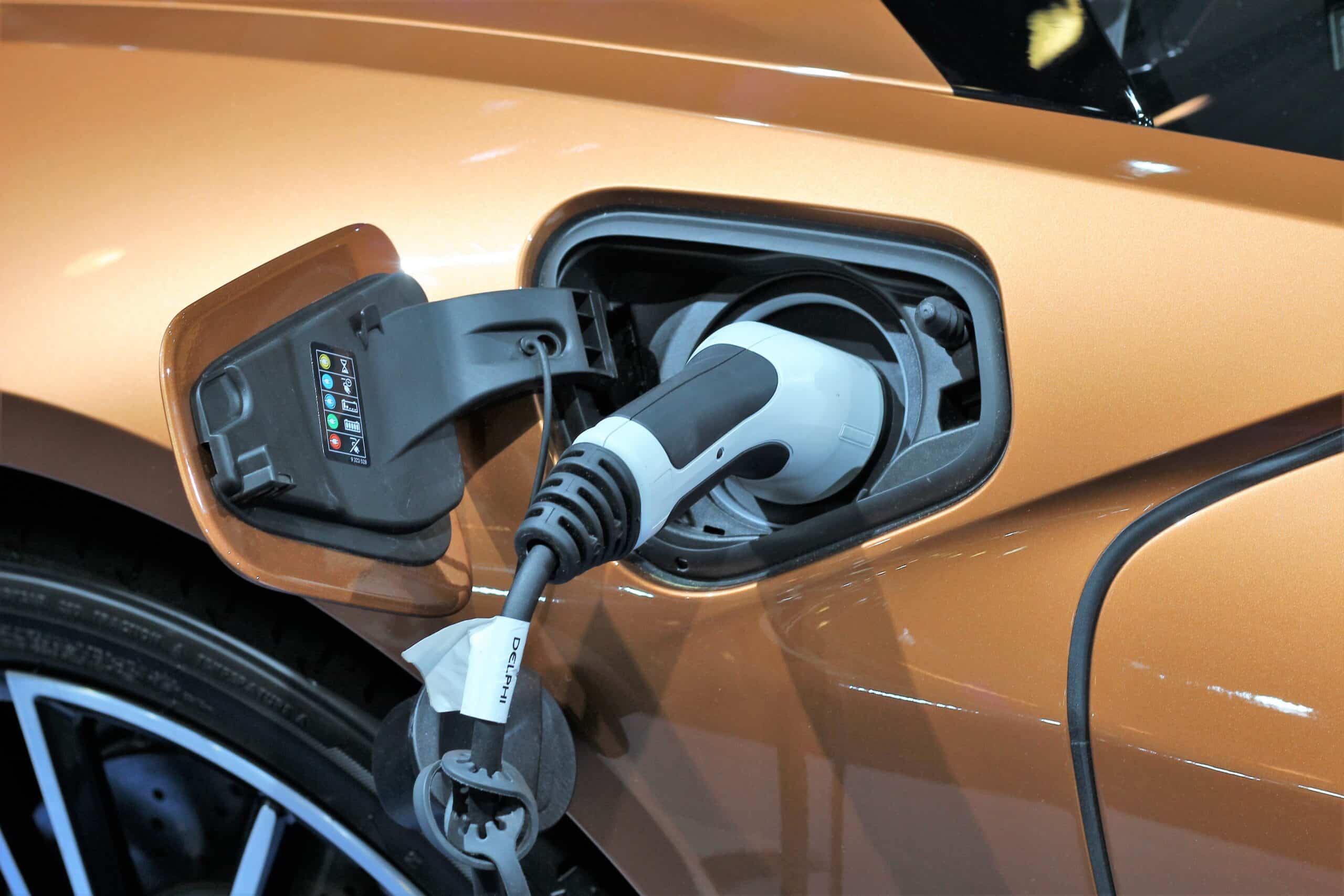
For many people, the benefits of getting an EV are enough to convince them to buy one. They have lower running and maintenance costs, have a less harmful impact on the environment, improve air quality and are exempt from congestion charges. However, one of the main roadblocks to getting an electric car is their high purchase price. If you can secure an electric car on PCP, you can benefit from lower monthly payments and could be the cheapest way to finance an EV. It’s worth noting though that car finance is subject to status and may not be accessible for everyone. If you’re seriously considering getting an electric car, there are UK government grants you can look into which help you with the cost of ownership. Also, with the sale of petrol and diesel cars coming in 2030, it may be worth investing in an electric vehicle now before the demand is at an all-time high.
Hybrid cars
If you’re not yet ready to go all electric, many drivers are instead turning to hybrid vehicles. Hybrid cars are ones that use two means of propulsion such as an electric motor and a petrol engine. There are also different types of hybrids to choose from too, they are a full hybrid mild hybrid and plug in hybrid. Both full and mild hybrids use the electric motor to assist the petrol or diesel engine. A plug-in hybrid tends to be the most popular amongst drivers as the electric motor tends to have a bigger battery and you can use it independently. This means if you travel within the electric range each day, you could benefit from a full EV without the price tag. It’s worth noting that hybrid cars still do release harmful pollutants but at a lesser rate than petrol or diesel and will also be phased out by 2035.
Petrol cars
Petrol cars are the most popular fuel choice in the UK. This is typically because petrol cars tend to be the cheapest to buy and the fumes produced by petrol cars aren’t as bad as diesel engines. However, the sale of new petrol coming to an end does signal that their impact on the environment is substantial enough to warrant them being discontinued. Car manufacturers also adopted petrol as a more suitable options and there are many more on the road than their diesel counterparts which means you can get a great deal on a used petrol car if you’re budget is limited. Petrol cars are great for shorter journeys such as short commutes or city driving and may not be as cost effective if you do lots of long-distance driving.
Diesel cars
Last but not least, the diesel engine has long been associated with high pollutants and but great fuel efficiency. The particles in diesel engines can affect human health massively as they can trigger respiratory functions such as asthma attacks and also produces a pungent smell. In terms of driving a diesel vehicle though, they have a much higher fuel efficiency than their petrol rivals. Over the course of ownership, this makes them cheaper and benefit from lower running costs. In many instances, diesel fuel is also cheaper than petrol too so you can save when you fill up.
*This a collaborative post