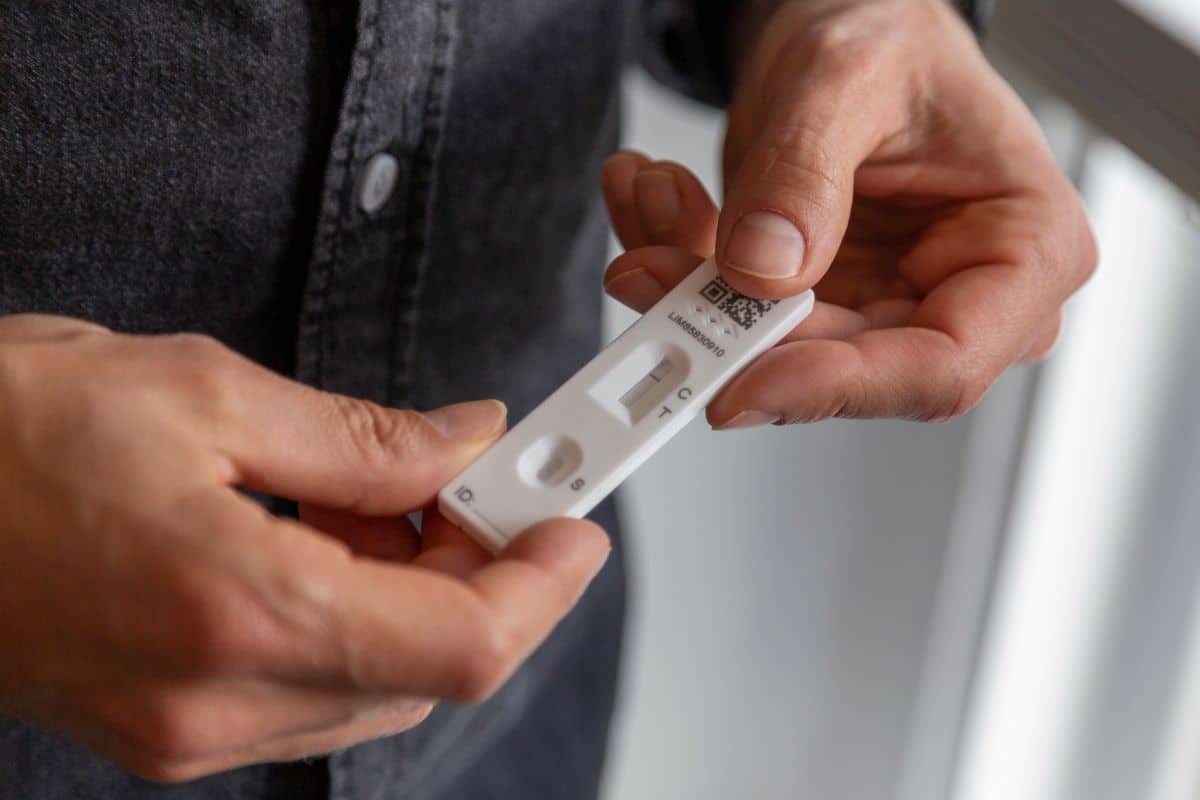
Which Lateral Flow Test Should You Choose in the UK for Best Accuracy: Your Expert Guide
Selecting an accurate lateral flow test in the UK can be quite challenging with numerous options available. However, understanding the intricacies of the tests and knowing which brands provide reliable results is crucial. The accuracy of lateral flow tests has been a topic of much discussion and research, with some studies suggesting that these tests are more efficient in detecting the most infectious cases compared to earlier assumptions.
When considering a lateral flow test, choosing one that aligns with strict regulatory standards and offers clear instructions is vital. Flowflex Covid self-test kits are one such option, presenting a straightforward procedure for self-testing. These tests can provide peace of mind by delivering results rapidly, enabling you to take appropriate measures without delay.
Key Takeaways
- Choose a lateral flow test that follows stringent accuracy standards.
- Conduct tests that provide rapid and comprehensible results.
- Utilise tests that facilitate easy self-administration.
Understanding Lateral Flow Tests
In selecting a lateral flow test in the UK, it’s essential to comprehend the fundamentals of how these tests work and the varieties available to ensure you are using the most reliable option for your needs.
Principles of Lateral Flow Test Operation
Lateral flow tests (LFTs) operate on the principle of immunoassay. When you apply a sample to the test device, it flows through a pad containing antibodies specific to the target antigen, often a virus. If the target is present in your sample, it binds to the antibodies. The complex of antibodies and antigens then moves along the strip to a zone where they are captured by another set of antibodies, which produces a visible signal, typically a line.
Types of Lateral Flow Tests Available
There are two primary types of LFTs accessible in the UK:
- Antigen tests: These rapidly identify the presence of viral proteins and are commonly used as a point-of-care tool for diseases like COVID-19.
- Antibody tests: They detect the presence of antibodies in your blood, indicating past infection or the status of your immune response.
Each type comes with its own set of specificity and sensitivity metrics that inform you about the test’s accuracy – whether it correctly identifies those with or without the antigen or antibodies. For COVID-19, both the lateral flow antigen test and lateral flow testing for asymptomatic individuals have been utilized extensively.
Selecting the Right Test
When choosing a lateral flow test in the UK, your aim should be to find one that combines ease of use with high accuracy. The specific brand and type can affect performance, and your use case dictates which option to select for the best results.
Factors Influencing Accuracy
- Quality of Sample Collection: A properly collected sample is crucial for accurate results. Ensure that you follow the test instructions precisely.
- Sensitivity and Specificity: These are measures of a test’s performance. Sensitivity refers to the test’s ability to correctly identify those with the virus (true positive rate), while specificity refers to correctly identifying those without it (true negative rate).
Comparison of Top Brands
| Brand | Sensitivity | Specificity | Time to Result |
| Brand A | High | High | 30 minutes |
| Brand B | Moderate | High | 15 minutes |
| Brand C | High | Moderate | 20 minutes |
Note: The above table is for illustrative purposes and reflects hypothetical data.
Recommendations for Various Use Cases
- For Symptomatic Individuals: If you are experiencing symptoms, it’s recommended to use a test with the highest sensitivity to reduce the risk of false negatives. Consider tests like those reviewed by the Patient which are designed for symptomatic testing.
- For Regular Screening: For those needing regular testing, such as employees, a balance between speed and accuracy is vital. A test with moderate sensitivity but high specificity and a quicker result time may be more practical.
- Before Large Gatherings: In scenarios where you plan to be around many people, taking a test with high sensitivity will be crucial to help ensure that you are not infectious, as advised by NHS England.
Conclusion
When selecting a lateral flow test in the UK, your choice should hinge on the balance between rapidity and accuracy. Remember, lateral flow tests (LFTs) excel in providing quick results and are quite adept at identifying individuals with high viral loads. There’s evidence suggesting LFTs are more accurate than previously believed, particularly in symptomatic cases or those with higher viral loads.
They are not as sensitive as PCR tests which are the gold standard for detecting COVID-19, especially in low prevalence settings. It’s important to consider the context of use: LFTs can serve as a first-line screening tool, especially when timely results are paramount. Should you test positive with an LFT, a follow-up PCR test is recommended to confirm the result, particularly if the prevalence of COVID-19 is low or if you’re asymptomatic. In your routine of proactive health management, acknowledge that no test offers absolute certainty, but LFTs can be a key part of your strategy in navigating this phase of the pandemic.
*This is a collaborative post