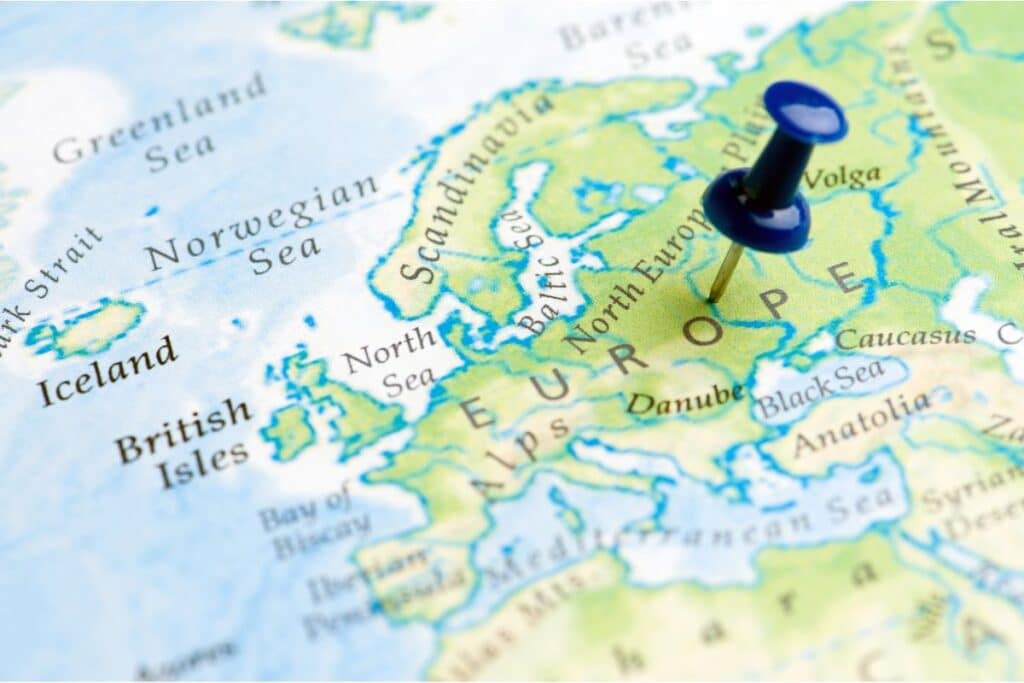
Weather shapes your travel experience more than you might realise. It dictates whether you spend lazy afternoons stretched out on a sunbed, wandering through historic streets in comfort, or layering up against the cold as you explore winter markets.
Europe’s varied climate offers something for every traveller, but knowing what to expect can make the difference between an unforgettable trip and an uncomfortable one.
Turkey’s climate: a year-round destination
Turkey offers an impressive mix of climates, making it a great destination no matter the season. Along the Mediterranean and Aegean coasts, summer temperatures soar past 35°C, making places like Antalya, Bodrum, and Marmaris perfect for those who love scorching heat and crystal-clear waters. Spring and autumn bring milder conditions, making them excellent for sightseeing and outdoor activities.
Further north, Istanbul experiences a more temperate climate with hot, humid summers and more chilly winters. Visiting in April, May, September, or October means comfortable temperatures for exploring the city’s historic sites without the extremes of summer heat or winter cold.
In central Turkey, Cappadocia’s climate swings from hot summers to freezing winters, with snow transforming its unique rock formations into a surreal winter wonderland. If you’re looking for the best Turkey weather, consider the season and region that best suits your plans.
Mediterranean destinations: sun-soaked summers and mild winters
If your ideal holiday involves sun-drenched coastlines and clear blue waters, southern Europe rarely disappoints. Countries like Spain, Italy, and Greece bask in long, dry summers where temperatures often climb above 30°C.
From June to September, beach resorts in the Balearic Islands, Sicily, and the Greek islands thrive with visitors enjoying warm seas, lively nightlife, and outdoor dining late into the evening. However, the peak summer heat can be intense, particularly inland, making sightseeing in historic cities like Rome or Seville an uncomfortable sweaty challenge.
If you prefer a quieter, more comfortable experience, spring and autumn offer a perfect balance. April, May, and October bring warm but manageable temperatures, often hovering around 20-25°C, ideal for exploring ancient ruins, hiking coastal trails, or cycling through vineyards.
Winter is mild, particularly along the coast, with daytime highs around 10-15°C, though you might encounter rain. While beach days are off the table, winter lets you enjoy Mediterranean culture without the crowds.
Northern and central Europe: changing seasons and travel tips
Countries like France, Germany, and the UK see distinct seasons, each offering a different experience. Summers (June to August) bring long days and temperatures ranging from 20-30°C, making them perfect for outdoor adventures, festivals, and city breaks. Parisian cafés spill onto the streets, Bavaria’s beer gardens fill with locals and tourists alike, and London’s parks become popular picnic spots.
Autumn cools things down, painting landscapes in shades of red and gold, particularly in wine regions like the Loire Valley or the Black Forest. Temperatures range between 10-20°C, and while some rain is likely, it’s still a great time for sightseeing without the summer crowds.
Winter transforms parts of the region into a festive wonderland, especially in Germany, Austria, and Switzerland, where Christmas markets glow under twinkling lights. Snowfall is common, particularly in the Alps, but cities like London and Paris usually see more rain than snow, with temperatures hovering between 0-10°C.
Spring breathes new life into the region, with mild weather and blooming landscapes making it a fantastic time to visit before summer tourism peaks.
Matching your destination to the right season ensures a more enjoyable and comfortable trip. Planning with the weather in mind means making the most of every moment – whether you’re soaking up the sun, exploring historic streets in mild conditions, or embracing a true winter wonderland.
*This is a collaborative post