Unlocking New Learning Opportunities with City-Based School Trips
City-based school trips offer an exciting and dynamic way for students to explore subjects in a real-world context, far beyond the confines of the classroom. By taking learning into the heart of a bustling city, students are exposed to new experiences, perspectives, and opportunities that enrich their education. Cities are hubs of history, culture, innovation, and industry, making them ideal environments for deepening students’ understanding of a wide range of subjects, from history and science to art and politics.
In this blog, we will explore how city-based school trips can unlock new learning opportunities, why they are such powerful educational tools, and how destinations like a London school trip provide the perfect backdrop for an enriching and unforgettable learning experience.
1. Experiencing History and Culture Firsthand
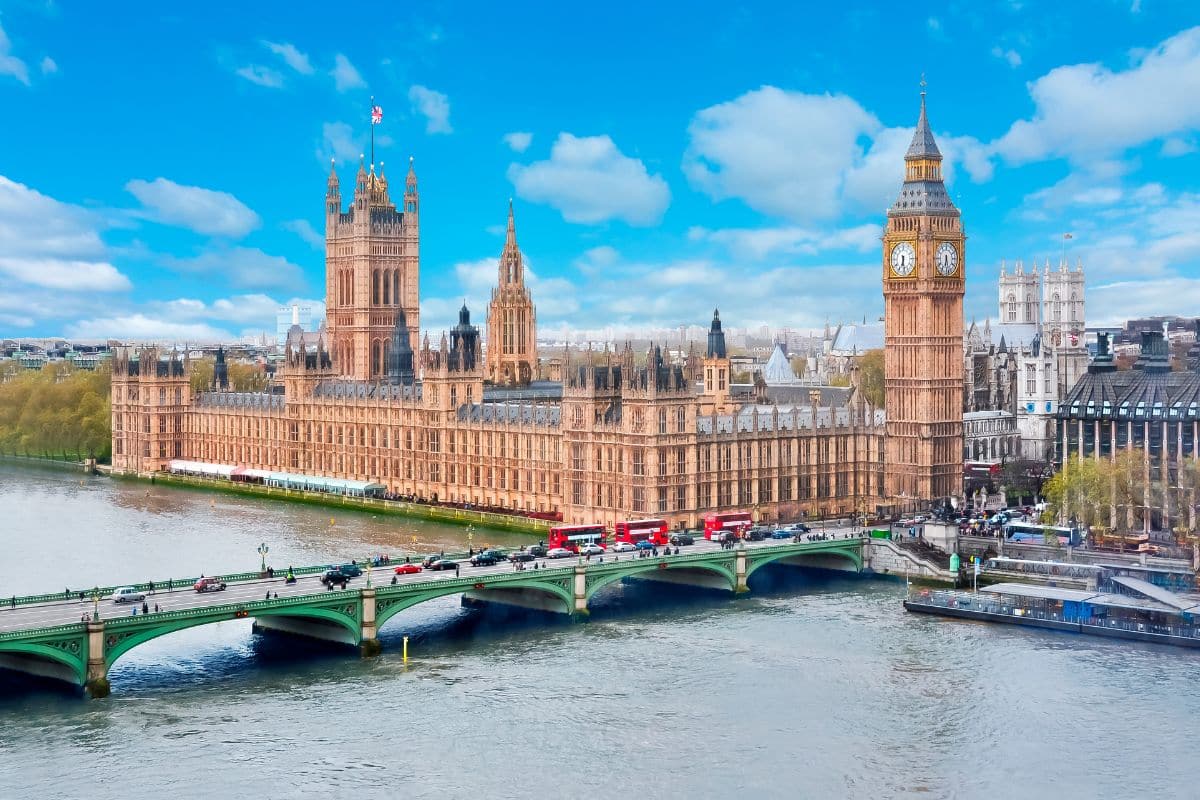
Cities are often at the centre of historical events and cultural developments, making them the perfect location for students to experience history and culture firsthand. A trip to a city like London, for instance, allows students to immerse themselves in a living history lesson. From the Tower of London and Westminster Abbey to the Houses of Parliament and Buckingham Palace, the city is a treasure trove of historical landmarks that bring the past to life.
Visiting these sites enables students to step back in time, helping them to understand the people, events, and movements that have shaped our world. Walking through the streets of a city steeped in history allows students to make connections between the past and present, providing them with a tangible understanding of how history influences modern society. Whether it’s learning about the Magna Carta at the British Library or exploring the Victorian era at the Museum of London, these experiences deepen students’ engagement with history and make it feel relevant to their lives.
Moreover, cities are melting pots of culture, offering students the chance to experience diverse traditions, languages, and artistic expressions. Whether they’re visiting museums, theatres, or cultural festivals, students gain a greater appreciation for the arts and a broader perspective on the world. Exposure to different cultures fosters empathy and curiosity, encouraging students to think more critically about global issues and the importance of cultural understanding.
2. Connecting Classroom Learning to the Real World
One of the most significant benefits of city-based school trips is the ability to connect classroom learning to the real world. In a city environment, students can see the practical applications of what they’ve studied, whether it’s exploring scientific concepts at a museum, understanding urban geography through a guided city tour, or observing political institutions in action.
For example, students studying government and politics can visit iconic locations such as the Houses of Parliament, where they can observe debates and learn about the legislative process in real time. This immersive experience helps students understand how political theories are applied in practice and allows them to engage more deeply with their studies. Similarly, a trip to a financial district like London’s Canary Wharf offers business and economics students an insight into the workings of global markets, helping them to contextualise classroom theories with real-world examples.
City-based school trips also provide a valuable opportunity to engage with professionals and experts in various fields. Many cities are home to renowned universities, research centres, and industries, offering students the chance to attend workshops, participate in interactive sessions, or even take part in career talks. Meeting professionals who work in fields they’ve studied provides students with role models and helps them to envision potential career paths.
3. Fostering Critical Thinking and Problem-Solving Skills
Navigating a city environment requires students to think on their feet, adapt to new situations, and solve problems in real time. Whether it’s figuring out public transportation, interpreting maps, or managing their time between activities, city-based school trips encourage students to develop essential life skills.
These experiences help foster independence and confidence, as students take responsibility for their learning and decision-making. In a city setting, they are often presented with complex or unfamiliar situations that challenge them to think critically and apply their knowledge to new contexts. For example, when visiting museums or exhibitions, students are encouraged to ask questions, make observations, and draw conclusions about what they’ve learned.
This hands-on approach to learning reinforces key academic concepts and helps students develop analytical skills that will serve them throughout their education and beyond. By tackling real-world challenges and engaging with complex topics, students become more resilient, adaptable, and capable of thinking creatively to find solutions.
4. Enhancing Subject Knowledge Through Specialised Visits
City-based school trips offer unique opportunities for students to enhance their subject knowledge through specialised visits. In cities like London, students have access to world-class institutions, galleries, and museums that provide expert-led tours and educational programmes designed to complement classroom learning.
For example, science students can visit the Natural History Museum or the Science Museum to explore exhibits on everything from evolution to space exploration. These visits allow students to engage with scientific concepts in a hands-on way, often through interactive displays and experiments that make learning fun and memorable.
Art students can benefit from trips to renowned galleries such as the Tate Modern or the National Gallery, where they can view works by some of the greatest artists in history. Seeing famous works of art up close can be an inspiring experience, offering students a chance to study techniques and styles in a way that isn’t possible in the classroom. Many galleries and museums also offer workshops and tours led by experts, giving students deeper insight into the art world and its history.
Similarly, history students can explore exhibitions that focus on specific historical periods or themes, providing them with in-depth knowledge that goes beyond what they might learn in textbooks. These visits give students a more rounded understanding of their subjects and encourage them to engage with the material in new and exciting ways.
5. Developing Interpersonal and Social Skills
City-based school trips are not just about academic enrichment—they also provide valuable opportunities for students to develop their interpersonal and social skills. Travelling as a group encourages teamwork, communication, and cooperation, as students work together to navigate the city, plan their activities, and share experiences.
These trips often require students to interact with a wide range of people, from museum staff and tour guides to local residents and fellow visitors. These interactions help build confidence and improve communication skills, as students learn to express themselves clearly and listen to others in different settings. The diverse and dynamic environment of a city encourages students to step outside their comfort zones and engage with people from different backgrounds and cultures.
In addition to strengthening friendships and creating shared memories, these experiences also help students develop a sense of responsibility and accountability. They learn how to manage their time, follow schedules, and take care of their belongings—all skills that contribute to personal growth and independence.
6. Inspiring Future Ambitions
For many students, city-based school trips serve as a source of inspiration for their future ambitions. Whether it’s exploring career opportunities in finance, politics, the arts, or science, these trips open students’ eyes to the possibilities that lie ahead. Seeing professionals in action, visiting universities, and engaging with experts can motivate students to pursue further education and set long-term goals.
For example, a visit to the West End in London might inspire a student to pursue a career in theatre, while a trip to the Wellcome Collection could spark an interest in medical research. These experiences help students see the relevance of their studies to the real world and encourage them to think about how their passions and interests can translate into future career paths.
Unlocking the Power of City-Based Learning
City-based school trips unlock a wealth of learning opportunities that extend far beyond the classroom. By immersing students in real-world environments, these trips bring subjects to life, foster critical thinking, and offer a deeper understanding of history, culture, science, and the arts. Destinations like a London school trip offer students access to some of the world’s most important historical landmarks, cultural institutions, and professional opportunities, making them an ideal choice for an enriching educational experience.
These trips not only enhance academic learning but also contribute to personal growth, helping students develop the skills and confidence they need to succeed in both their studies and their future careers. In short, city-based school trips are an invaluable tool for inspiring a lifelong love of learning and unlocking new opportunities for students to thrive.
*This is a collaborative post