
Building Brains: The Role of Toys in Shaping Cognitive Growth in Young Children
In the first few years of life, a child’s brain is developing at a rapid pace, absorbing new information and adapting to its environment. During this crucial period, toys can play an essential role in stimulating cognitive growth and fostering the development of key skills. While parents may often focus on the physical and emotional benefits of play, it’s equally important to recognise the impact toys have on a child’s cognitive abilities. In this article, we explore how different types of toys, including wooden toy kitchen and a wooden baby walker, can help shape the cognitive development of young children.
Cognitive Development: The Early Years
Cognitive development refers to the process by which children learn to think, understand, reason, and solve problems. This type of development begins in infancy and continues throughout childhood, with different stages offering unique opportunities for growth. During the early years, children are particularly receptive to sensory stimuli, language development, and motor skills, all of which are fundamental to their cognitive development.
The early years of life are often considered the foundation for later learning. Research has shown that the brain’s neural connections are most malleable during this time, meaning that the experiences children have — particularly those involving play — have a lasting impact on their intellectual and emotional growth. In this context, toys are not merely a source of entertainment but valuable tools for stimulating cognitive development.
The Role of Toys in Cognitive Growth
Toys can help children develop various cognitive skills, including problem-solving, language acquisition, hand-eye coordination, and critical thinking. The key is to provide toys that are age-appropriate, safe, and engaging, encouraging children to explore their surroundings and experiment with cause and effect.
1. Enhancing Problem-Solving Skills
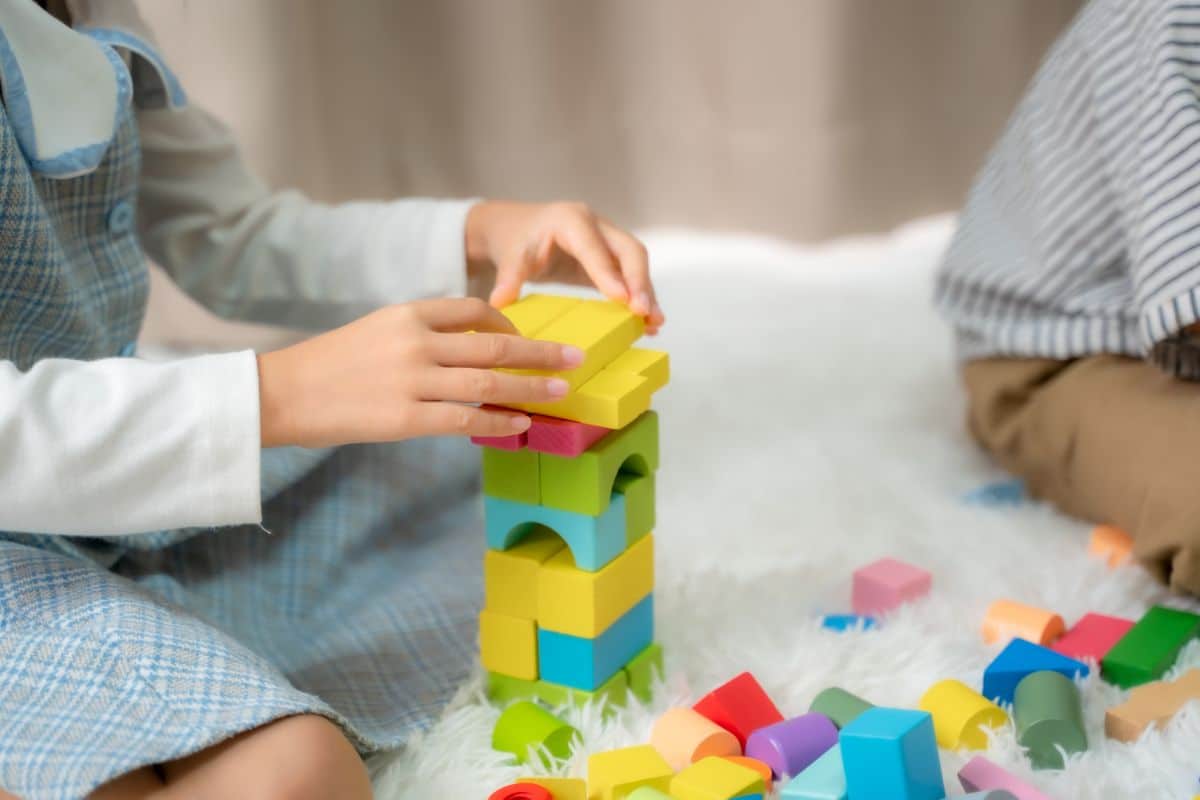
Toys that challenge a child’s ability to think critically can enhance problem-solving skills. Simple toys such as puzzles, building blocks, and stacking toys encourage children to think about how things fit together, which promotes spatial awareness and logical reasoning. These types of toys require children to consider how pieces relate to each other and how to manipulate them to achieve a desired result.
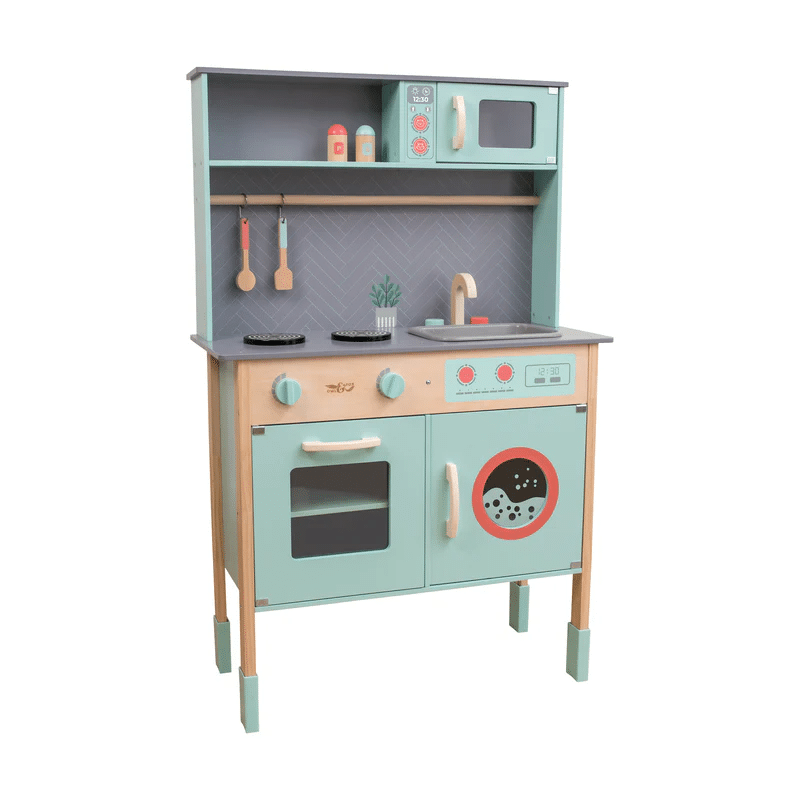
For example, a wooden toy kitchen offers a variety of ways for children to engage their problem-solving skills. With its miniature stove, sink, and various utensils, children can mimic adult activities, such as cooking and cleaning, while developing an understanding of cause and effect. When they “cook” a meal for their dolls, children engage in role-playing that builds cognitive skills, social-emotional awareness, and creativity. In this process, they also learn about time sequences and basic planning.
2. Supporting Language Development
Language skills are a significant aspect of cognitive growth in young children. As children explore their environment and interact with their toys, they begin to develop a vocabulary and understand language structures. Interactive toys that promote verbal communication, such as toys with buttons that produce sounds or toys that require children to talk to activate them, help build these essential skills.
Wooden toys, in particular, have an added benefit in that they often encourage more imaginative and open-ended play. A wooden toy kitchen, for example, can be used for a variety of imaginative scenarios, allowing children to practise new vocabulary associated with food, cooking, and daily tasks. The simple, open-ended nature of wooden toys encourages children to engage in pretend play, helping them practice dialogues, social interactions, and new words. As children “cook” and “serve” their meals, they expand their vocabulary and understand language in context.
3. Promoting Fine and Gross Motor Skills
While cognitive skills like reasoning and memory are vital, so too are physical skills that are closely related to a child’s intellectual development. Hand-eye coordination, fine motor skills, and large muscle group development are all critical components of overall brain growth. Toys that engage children’s physical abilities help them strengthen these essential skills.
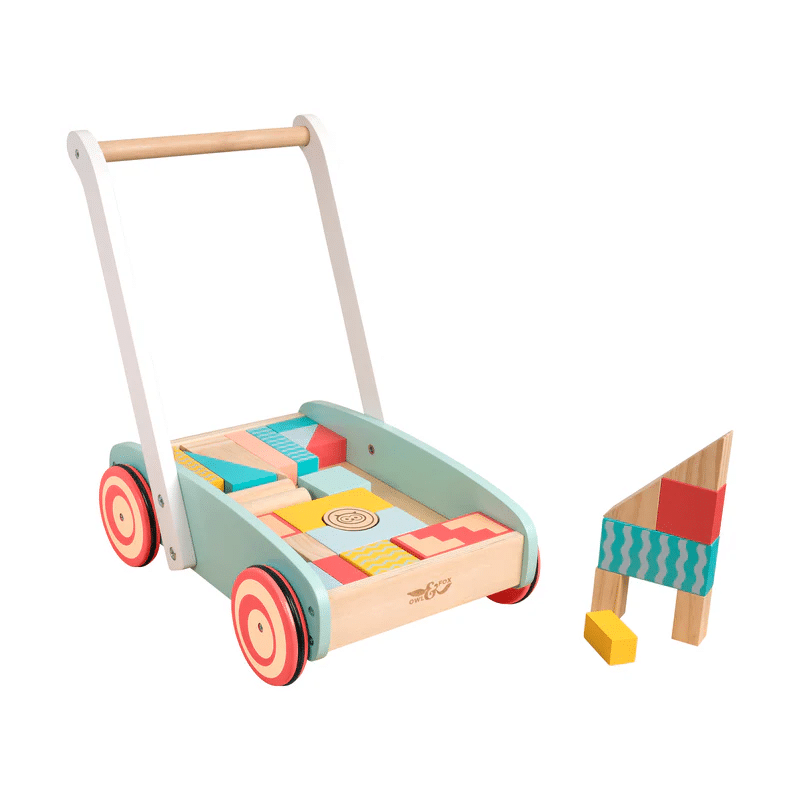
A wooden baby walker is a perfect example of a toy that supports both physical and cognitive development. As babies begin to pull themselves up and take their first steps, a sturdy wooden baby walker provides support and encourages them to stand, move, and balance. The physical act of walking and moving with a baby walker helps strengthen muscles, improve coordination, and develop spatial awareness. As babies learn to control their movements and navigate their environment, they also begin to understand the concepts of balance, gravity, and spatial relationships.
In addition, the act of pushing a baby walker allows children to practice their fine motor skills, particularly their grip and control over their hands. As they hold onto the walker, they refine their hand-eye coordination, an important skill that will later help with writing, drawing, and other tasks requiring fine motor dexterity.
4. Fostering Imagination and Creativity
Imaginative play is another area in which toys play a significant role in cognitive development. Open-ended toys — such as wooden blocks, dolls, or play kitchens — provide children with the opportunity to create their own narratives and scenarios, which encourages creative thinking and problem-solving. These toys offer unlimited possibilities for children to explore, experiment, and invent their own play worlds.
A wooden toy kitchen is an ideal tool for fostering imagination. Children can create stories and scenarios as they pretend to cook, serve meals, or host guests. The versatility of a wooden kitchen allows for a wide range of imaginative play. Whether they’re pretending to be a chef, a parent preparing dinner, or a café owner, the play possibilities are endless, promoting creativity and cognitive flexibility.
Furthermore, creative play helps children develop their ability to think abstractly and make connections between various ideas. As they role-play with a wooden toy kitchen, they also enhance their social skills by learning to negotiate, share, and collaborate with others.
The Benefits of Wooden Toys in Cognitive Development
In recent years, there has been a shift towards more natural, sustainable toys, with wooden toys becoming a popular choice among parents. Wooden toys, such as wooden toy kitchens and baby walkers, offer several advantages in fostering cognitive growth.
One of the main benefits of wooden toys is their durability and simplicity. Unlike plastic toys with complex electronics or flashing lights, wooden toys tend to have fewer distractions, allowing children to focus more on the process of play rather than the end result. This can help children develop patience and perseverance as they work through tasks.
Wooden toys also tend to be more tactile, providing children with a sensory experience that supports their learning. The smooth, solid texture of wood engages children’s sense of touch and provides a contrast to other materials they encounter. This tactile experience can enhance sensory integration and encourage exploration.
Additionally, wooden toys are typically designed with minimalistic features, which allows for more open-ended play. A wooden baby walker, for instance, is a simple, functional tool that encourages children to explore their environment at their own pace. Without overly complex features or excessive embellishments, children are free to engage with the toy in a way that supports their developmental needs, from strengthening physical coordination to stimulating cognitive skills.
Conclusion
Toys are much more than sources of entertainment for young children. They are essential tools for fostering cognitive development during the early years of life. By choosing toys that engage children’s imaginations, promote problem-solving, and enhance motor skills, parents can provide valuable opportunities for their children to grow intellectually and emotionally.
Wooden toys, such as a wooden toy kitchen or a wooden baby walker, offer numerous benefits in this process. Not only are they durable, sustainable, and safe, but they also encourage creativity, critical thinking, and physical development. By integrating these types of toys into daily play, parents can help their children build a solid foundation for future learning and development.
Ultimately, the role of toys in a child’s development cannot be underestimated. When chosen thoughtfully, toys can shape the brain’s growth, foster emotional intelligence, and provide children with the skills they need to thrive in an ever-changing world.
*This is a collaborative post