
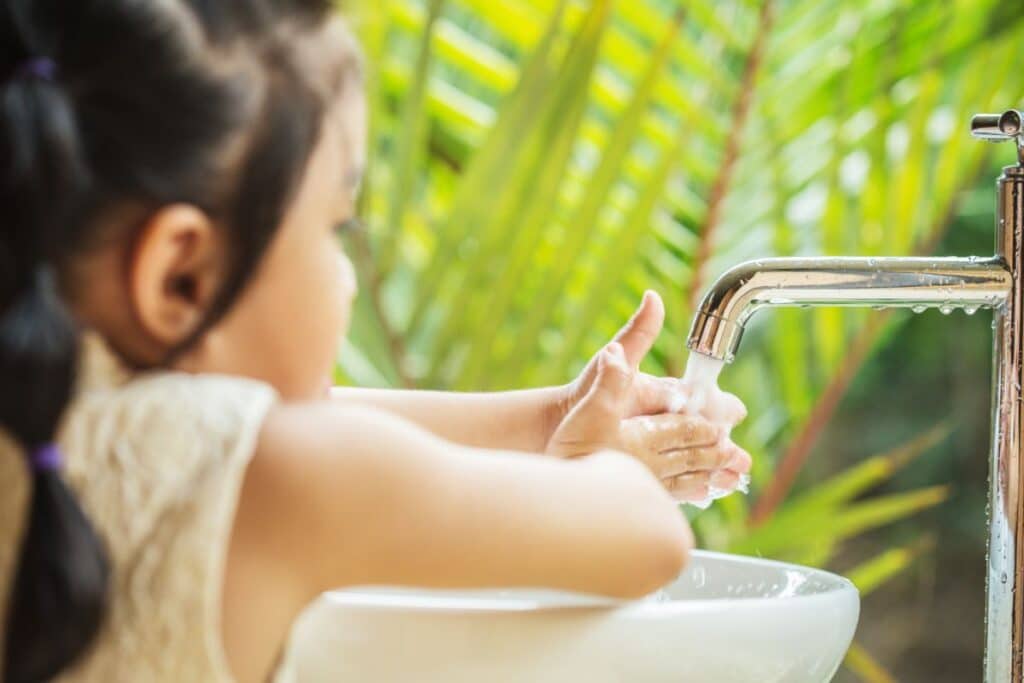
As parents, one of our most important roles is to teach our children essential life skills, and personal hygiene ranks high on that list. From washing hands to brushing teeth, these habits not only promote physical health but also instil a sense of self-care and responsibility.
In this blog post, we’ll explore practical tips and strategies for teaching your little one about personal hygiene in a fun and engaging way.
Lead by Example
Children learn by observing, so start by modelling good personal hygiene habits yourself. Let your child see you washing your hands before meals, brushing your teeth twice a day, and maintaining cleanliness in your daily routines.
Make It Fun
Turn personal hygiene routines into enjoyable activities by adding a playful element. Sing songs while washing hands, create a special tooth-brushing dance, or use colourful stickers as rewards for completing hygiene tasks.
Use Visual Aids
Visual aids such as charts, posters, and storybooks can help reinforce the importance of personal hygiene and make learning more interactive, as suggested by this nursery in north London. Choose age-appropriate materials that depict hygiene practices in a simple and engaging manner.
Establish Routine
Consistency is key when it comes to teaching personal hygiene habits. Establish a daily routine that includes specific times for tasks like brushing teeth, bathing, and washing hands to help your child develop a sense of structure and responsibility.
Provide Age-Appropriate Tools
Invest in child-friendly hygiene products such as soft-bristled toothbrushes, mild soaps, and colourful hand towels to make the experience more enjoyable for your little one. Let them choose their own toothpaste flavour or soap scent to add a sense of ownership.
Use Positive Reinforcement
Praise and encouragement go a long way in motivating children to adopt healthy habits. Offer verbal praise, high-fives, or small rewards when your child demonstrates good personal hygiene practices to reinforce their efforts.
Explain the Why
Help your child understand the reasons behind each hygiene practice. Explain that washing hands removes germs that can make them sick, brushing their teeth keeps their smile healthy and bright, and bathing helps them feel clean and refreshed.
Practise Together
Make personal hygiene routines a bonding activity by practising them together with your child. Brush your teeth side by side, take turns washing each other’s hands, or make bath time a playful opportunity for bonding and conversation.
Be Patient and Supportive
Learning new habits takes time, so be patient and supportive as your child develops their personal hygiene skills. Offer gentle reminders and guidance without criticising or shaming them for mistakes.
Celebrate Progress
Celebrate milestones and achievements along the way to reinforce positive behaviour. Whether it’s successfully washing hands independently or remembering to floss for the first time, acknowledge your child’s efforts and celebrate their progress together.
Teaching your little one about personal hygiene is an investment in their long-term health and well-being. By making hygiene routines fun, engaging, and empowering, you can help your child develop lifelong habits that will serve them well into adulthood. With patience, encouragement, and a touch of creativity, you can instil a strong foundation of personal hygiene that will benefit your child for years to come.
*This is a collaborative post