Receding Hairline In Women: 7 Practical Solutions
A receding hairline is often mistakenly considered a predominantly male issue. However, for many women, the gradual thinning and recession of the frontal hairline is a distressing reality. Known medically as frontal fibrosing alopecia or, more generally, as female pattern hair loss when it affects the frontal area, this condition can profoundly impact self-esteem and quality of life.
The causes are multifaceted, ranging from genetics and hormonal fluctuations to autoimmune conditions, stress, and harsh hairstyling practices. Understanding this is a legitimate medical concern is the first step toward addressing it effectively. Unlike temporary shedding, a receding hairline typically requires a proactive and multi-pronged approach to manage and, in some cases, restore hair growth.
The following practical strategies offer a comprehensive approach to managing a receding hairline in women:
1. Seek a Professional Medical Diagnosis
Before embarking on any treatment plan, a definitive diagnosis from a healthcare professional is essential. A receding hairline can stem from various sources, such as:
- Androgenetic alopecia (female pattern hair loss),
- Frontal fibrosing alopecia (an autoimmune condition),
- Chronic telogen effluvium (stress-induced shedding),
- Traction alopecia caused by tight hairstyles.
A dermatologist will examine the scalp, potentially perform a pull test, and may order blood work to check hormone levels, thyroid function, and nutrient deficiencies like iron and vitamin D. This diagnostic clarity is the foundation upon which all other solutions are built, ensuring that efforts are targeted correctly.
As such, seeking professional diagnosis from a reputable establishment like the KSL Clinic in Leeds or similar locations could be an excellent idea. Self-diagnosing can lead to wasted time and resources on ineffective solutions.
2. Explore Topical and Oral Medications
Once a diagnosis is established, medical treatments can be highly effective. The two most common FDA-approved medications for female pattern hair loss are the following:
Minoxidil (Rogaine)
This over-the-counter topical treatment is applied directly to the scalp. It prolongs the growth phase of hair follicles, leading to thicker, stronger hairs over time. It’s a frontline treatment, although results can take four to six months to become visible and require consistent, indefinite use.
Finasteride (Propecia)
This oral prescription medication works by inhibiting the conversion of testosterone to dihydrotestosterone (DHT), a hormone that shrinks sensitive hair follicles. Due to potential side effects, it’s used more cautiously in women, particularly those who are postmenopausal or not of childbearing potential.
3. Consider Low-Level Laser Therapy (LLLT)
Low-level laser therapy is a non-invasive treatment that uses red light to stimulate cellular activity within the hair follicles. Believed to increase blood flow and energy production in follicle cells, LLLT can help reverse the miniaturisation process seen in pattern hair loss. This treatment is available in various forms, including in-clinic helmet devices and wearable, at-home laser caps and combs.
While results vary, many users report a reduction in shedding and an improvement in hair density after several months of consistent use.
4. Investigate Platelet-Rich Plasma (PRP) Therapy
Platelet-rich plasma (PRP) therapy is a regenerative treatment that has gained significant popularity for treating hair loss. The procedure involves drawing a small amount of the patient’s own blood, processing it to concentrate the platelets and growth factors, and then injecting this solution into the scalp in the affected areas. These growth factors are thought to promote healing, stimulate the hair follicles, and encourage new hair growth.
A series of initial treatments is typically required, followed by maintenance sessions. PRP is considered a safe option with minimal risk of allergic reaction since it uses the patient’s biologics.
5. Address Nutritional Deficiencies
Hair health is a reflection of overall health. Certain nutritional deficiencies can exacerbate or even cause hair thinning. Some key nutrients for healthy hair growth include:
- Iron: Iron deficiency (anemia) is a common cause of hair loss in women. Ferritin levels, which indicate iron stores, should be checked and supplemented if low under medical guidance.
- Vitamin D: It’s believed that low vitamin D levels may lead to alopecia. Adequate sun exposure or supplementation can be beneficial.
- B Vitamins: Biotin (B7) is well-known for its role in hair health, but other B vitamins like B12 are also crucial for cell replication and growth.
A balanced diet rich in lean proteins, leafy greens, and healthy fats, or a targeted supplement regimen based on blood test results, can provide essential support for hair follicles.
6. Adopt a Scalp-Conscious Hair Care Routine
Harsh styling practices can contribute to a receding hairline, a condition known as traction alopecia. To prevent further damage, it’s vital to adopt a gentle hair care routine. These include:
Avoid Tight Hairstyles
Styles like tight ponytails, braids, buns, and hair extensions can place constant tension on the hairline, leading to permanent follicle damage over time.
Be Gentle When Styling
Avoid vigorous towel-drying and brushing wet hair, which is more fragile. Use a wide-tooth comb and opt for heat-free styling methods when possible.
Choose Products Wisely
Use mild, sulfate-free shampoos and avoid heavy styling products that can clog follicles. Look for products containing peptides, caffeine, or ketoconazole, which may support a healthier scalp environment.
7. Evaluate Hair Transplant Surge
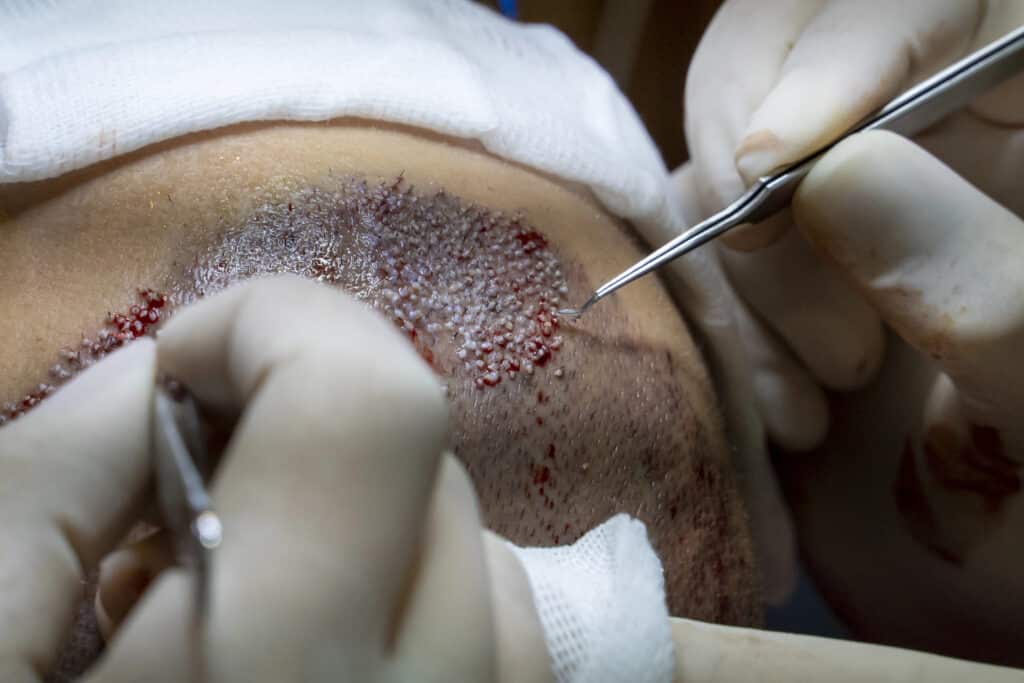
For women with stable, well-defined areas of hair loss and sufficient donor hair (typically from the back of the scalp), hair transplant surgery can be a permanent solution. Modern hair transplant techniques, such as Follicular Unit Extraction (FUE), involve harvesting and implanting individual hair follicles into the recipient area.
The success of a transplant largely depends on the cause of hair loss. It’s highly effective for traction alopecia and certain types of pattern loss but not for active autoimmune conditions like frontal fibrosing alopecia.
Final Thoughts
Managing a receding hairline requires patience, persistence, and a tailored approach. From medical treatments and advanced therapies to lifestyle changes and cosmetic tricks, these practical solutions offer a roadmap for women seeking to regain control over their hair health. By keeping the information mentioned above in mind, women can create a personalised and effective strategy for restoration and confidence.
* Contributed by David Lim