
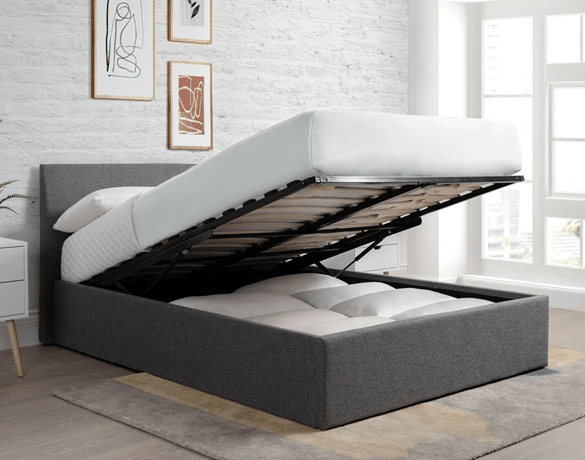
Ottoman beds are a game changer for small-space living. No more cramming extra blankets under your bed or shoving sweaters into your wardrobe – just open the ottoman base, and voila – you’ve got storage galore to tuck away anything out of sight.
Ottomans are especially suited to small bedrooms or apartments where you need to maximise every inch of space, and they come in various sizes, from single to king, to accommodate your mattress. When purchasing an ottoman bed, select one that can hold the weight of your mattress and sleepers. The storage capacity also varies, so measure how much you need to store before deciding on a model.
Building the Bed
Always carefully follow the manufacturer’s instructions when assembling your ottoman bed frame. Use the correct tools and take precautions not to scratch or damage the bed pieces during building (especially the upholstery).
Choose a mattress that doesn’t exceed the bed manufacturer’s recommended weight capacity, so the lifting mechanism functions properly under the load. Use a mattress that fits
snugly into the bed frame to prevent it from shifting when stored – your ottoman will probably also have a non-slip base to prevent this.
Place the mattress after the full frame is built. Most instructions ask you to place the mattress on the open struts to assist with closing the ottoman.
Are ottoman beds easy to use
Before using your new ottoman bed, break in the lifting mechanism by opening and closing the storage compartment 5-10 times with the mattress on to loosen any stiff hinges or wheels. Open and close the bed carefully, ensuring the storage platform lifts evenly on both sides and listen for any squeaks or clicks that may indicate an issue.
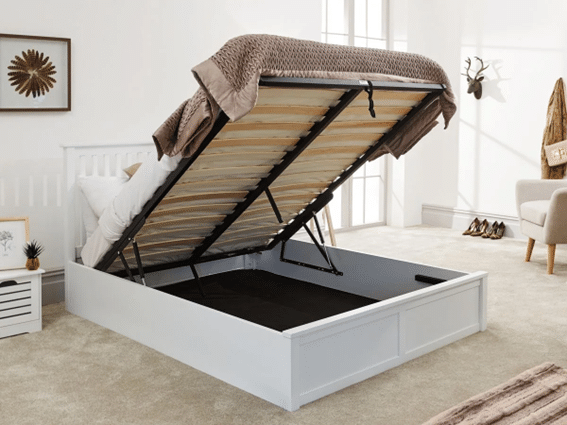
You can apply lubricant to any stiff hinges (WD-40 works but be careful not to spray your bedding with it). Get a feel for the force needed to lift the weight of your mattress and ensure it opens smoothly, lifts fully, and closes securely after this break-in period.
Safety precautions
Take special care when operating your ottoman bed around children and pets, and do not allow kids to play on or around the bed when raised to ensure fingers do not get pinched in hinges during opening and closing.
Ottoman lifting mechanisms have a weight limit of 40-80kg on average; exceeding this weight can slam the ottoman shut and damage the hinges. Never let children or pets climb onto your open ottoman bed.
Keep pets away during use to avoid injuries – cats and small dogs are notorious for wanting to jump into new spaces. Consider adding safety straps to keep the bed platform securely closed when not in use. Install child safety locks if young kids are present.
Always supervise use around children and instruct them not to operate the bed. Follow all manufacturer warnings and weight limits. With proper precautions, ottoman beds allow you to safely maximise space.
If you are buying an ottoman for a kid’s bedroom, it’s unlikely your child will have the strength to open the ottoman if they are under 10. However, education is important from a young age to ensure safe operation.
Buying a new mattress
When it comes time to buy a new mattress, refer to the bed manufacturer’s maximum weight limit, king-size mattresses weigh between 55kg and 90kg, so add your body weight to that to get your total weight.
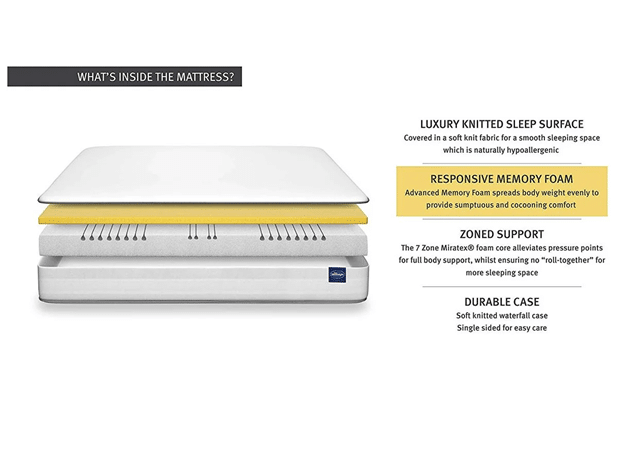
Ottoman beds have weight limits from 100kg to 300kg on reinforced models, with the lower figure most common on smaller beds.
Also, remember that ottoman beds have a lift mechanism weight limit – usually 40kg to 80kg, meaning the struts can hold that maximum weight.
*This is a collaborative post
