
Home Adaptations For Older People
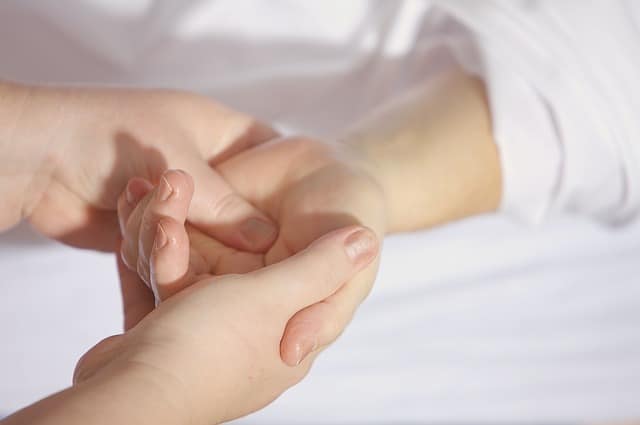
When the time comes that an elderly relative moves into your home, there are many changes to consider when you’re updating a home to be elderly friendly. A home can be a dangerous place when it’s not altered properly to suit, from dimly lit hallways causes hazards, to having bathroom fixtures so they can have their own bit of dignity.
It’s hard to step into the new world of having to care for an adult, when you’re not used to it. Sometimes your home just isn’t set up in the right way as it’s ideal to have a single storey abode so an elderly person can easily get around – this isn’t always possible though. And this means working some adaptations into your home to make it accessible.
Get Help
It’s not always possible to do everything yourself, especially when some things need to be done safely. You could check out the CHC checklist for funding and free care to see if you’d be eligible for continuing healthcare funding for NHS-funded nursing care. This would not only give you peace of mind as they’re getting that extra help that is needed, but also could help with giving the relative some dignity when it comes to their healthcare needs.
Get Adaptions
Grab rails can be a big help, to hold onto and prevent the elderly from falling, so putting these around the bathroom, and anywhere they may be for significant amounts of time will really help. These can be in the bathroom, hallway, on the stairs, and even outside.
Get The Flooring Right
You wouldn’t think that this was a big problem, but when it comes to safety issues, wooden flooring can be slippery, especially when wet, and neatly placed rugs can be a trip hazard. Try to remove anything that could make an elderly person trip. And try to keep cables and wiring off the floor and out of the way too.
The Bathroom Is So Important!
The bathroom sometimes gives people that last little bit of independence so it’s important to make this accessible. It’s also a good idea to signpost the bathroom door so that it can be distinguished easily. Or you could also install a wet-room, or walk-in-shower, so that there’s no trip hazards and the relative can easily use the bathroom without help.
Adaptations don’t have to be big and pricey. It’s just a case of going around your home and working out where they may need that little bit of help to be able to have that bit of independence.
Makes a massive difference – would love to get rid of our rug as I always fear dad will trip !
Great tips x
Very good – I'm having trouble with my elderly parents as they keep refusing help! Eventually we have managed to get carers to visit every morning and night and it seems to be working well…
When we had to have my mother in law come to us, we had to make sure there wasnt any rugs, because she shuffled, we had to think ahead and make sure there was no danger spots, and we even changed the tiles in the bathroom to non slip, there are some great tips here, thank you
Great tips thank you
Some great tips here and things I would not have thought of.