Garden Room or Small Extension: Which Is Better?
Even if you utilise every inch of space, it’s easy to run out of room inside a family home. So, it may be necessary to create a bit of extra space to accommodate work or hobbies. Tacking a small extension onto the house is one sensible route. However, a garden room could work too. But which approach is best? Well, that depends on these five factors.
Your budget
Let’s start with the most practical consideration – the budget. While both are cost-effective options, you can get away with a smaller budget when it comes to building a garden room. So, which works best may depend on how much you have available to spend.
A garden room is likely to come in between £5,000 and £20,000. A straightforward DIY construction with basic insulation and double glazing will come in at the lower end of this price range. But adding in things like heating and electrics will increase this cost.
A small extension, on the other hand, tends to cost between £20,000 and £44,000. So, it’s likely to be the more expensive of the two options. However, there are a few advantages to going with an extension instead of a garden room. We’ll explore these benefits shortly.
The construction
Garden rooms and extensions are two different types of buildings. This affects the speed and ease with which they are constructed, as well as lifespan and maintenance.
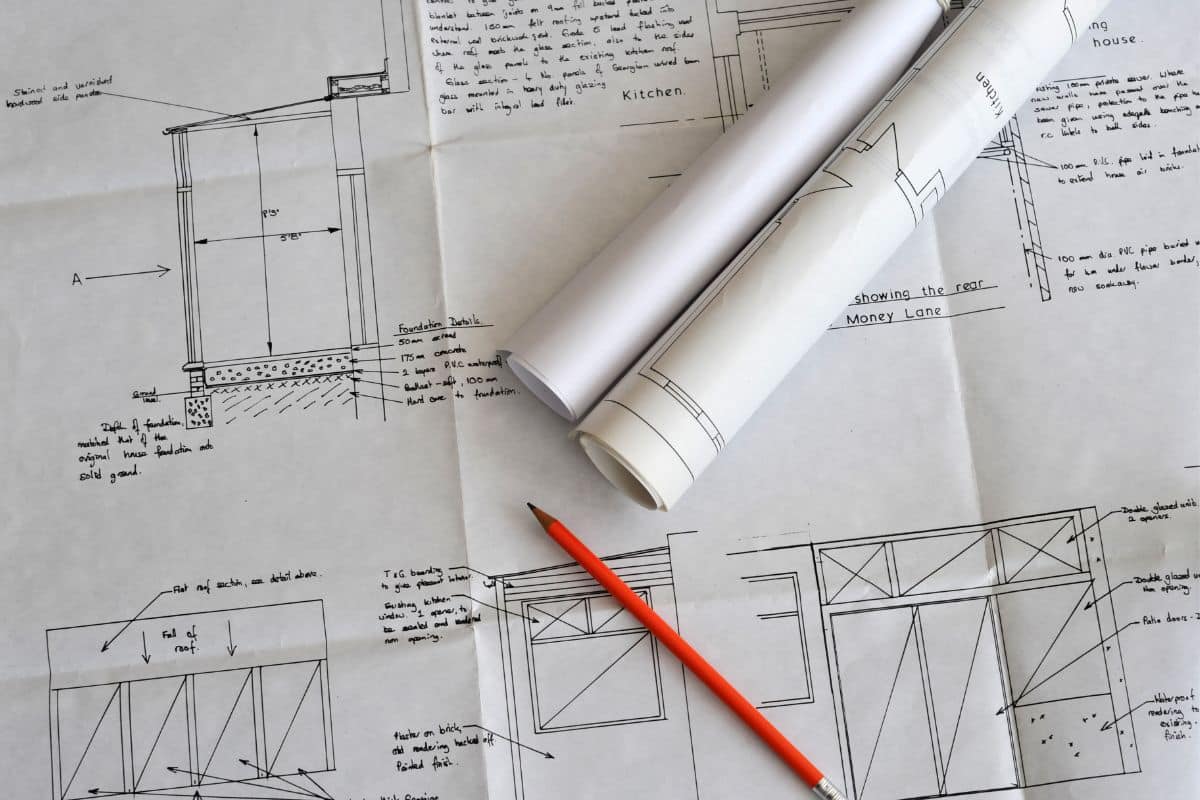
Small extensions don’t usually need planning permission. So, this can save some time. But unless you find a good builder and can convey clearly what you want, you may need an architect to draw up some plans first. Then, there’s the time to complete the build itself. Meanwhile, a garden room can be completed much more quickly. If you’re skilled enough, it’s possible to build one as a DIY project. You could order one that’s modular or ready built – to speed the build up even more. This means that unless you’re having a garden room custom built, it’s likely to be the quickest and easiest option.
The type of build can also affect the lifespan and maintenance needs. For instance, a wooden garden room is likely to last for around 25 years. But this relies on the use of high-quality materials as well as regular maintenance. This maintenance could be more time-consuming and costly than the maintenance of a small extension. And of course, an extension will be built with foundations and stronger materials such as block and brick. So, it will last much longer and shouldn’t need replacing. Therefore, hiring a builder and going with a small extension may be the best choice.
Which location will work best?
Location will be a factor in deciding between an extension and a garden room. If you’re looking for a work-from-home space where you won’t be interrupted by the comings and goings of other family members, a garden room may well provide a better location. Too often, work can spill over into home life if there’s not a distinct separation, so it could also help you retain a better balance.
A garden room can also be a better choice for a hobby room. For instance, practising yoga or meditation might be easier in a separate location and may have better results if it’s being done in a peaceful space that feels closer to nature. Equally, if noisy hobbies such as playing a musical instrument or computer games are disturbing the peace inside the home, you could move it outside to the garden – of course, you will need to be mindful of neighbours and you may need to consider soundproofing. In fact, how you’re planning to use the space, is a factor in weighing up which option is better.
How you’re planning to use it
One thing to consider is how often you’ll be using the space. An extension is likely to be the best option if you want a room that’s usable all year round as it’s a more solid construction and can be fitted with a high level of insulation. Plus, it can be connected to your home’s central heating. That said, you can insulate a garden room and add heating.
Another thing to consider is flexibility. For instance, if you want a space that can be used as a dining room as well as a home office, then an extension is clearly the best route. There are other reasons too, why a direct connection to the home might be necessary. You may need easy access to the kitchen or bathroom or want a playroom that’s easy to supervise.
What sort of garden you have
The size and location of your garden is another factor to consider when deciding whether a small extension or garden room is best.
A small garden may mean that any garden room would be very close to the house. So, it may not offer much more peace or separation than a room in an extension. But it could block the outlook from your rear windows. Similarly, if a large portion of your garden is at the front of the house, it may not be best suited to a garden room.
*This is a collaborative post