
Family-Proofing Your Home: The Essential Guide to Fire Systems
When it comes to ensuring the safety of your loved ones, there is nothing more important than protecting your home from potential fire hazards. Fires can strike at any time, and their devastating consequences can be life-changing. However, with the right fire systems and commercial fire alarms in place, you can significantly reduce the risk of fire-related accidents and provide your family with a secure living environment. In this comprehensive guide, we will explore the essential steps to family-proofing your home through the integration of advanced fire systems and commercial fire alarms.
Understanding Fire Systems
Before delving into the specifics of family-proofing, it is crucial to comprehend the different components of fire systems. Fire systems are a combination of various devices and technologies designed to detect, alert, and suppress fires. They can be broadly categorised into three main types:
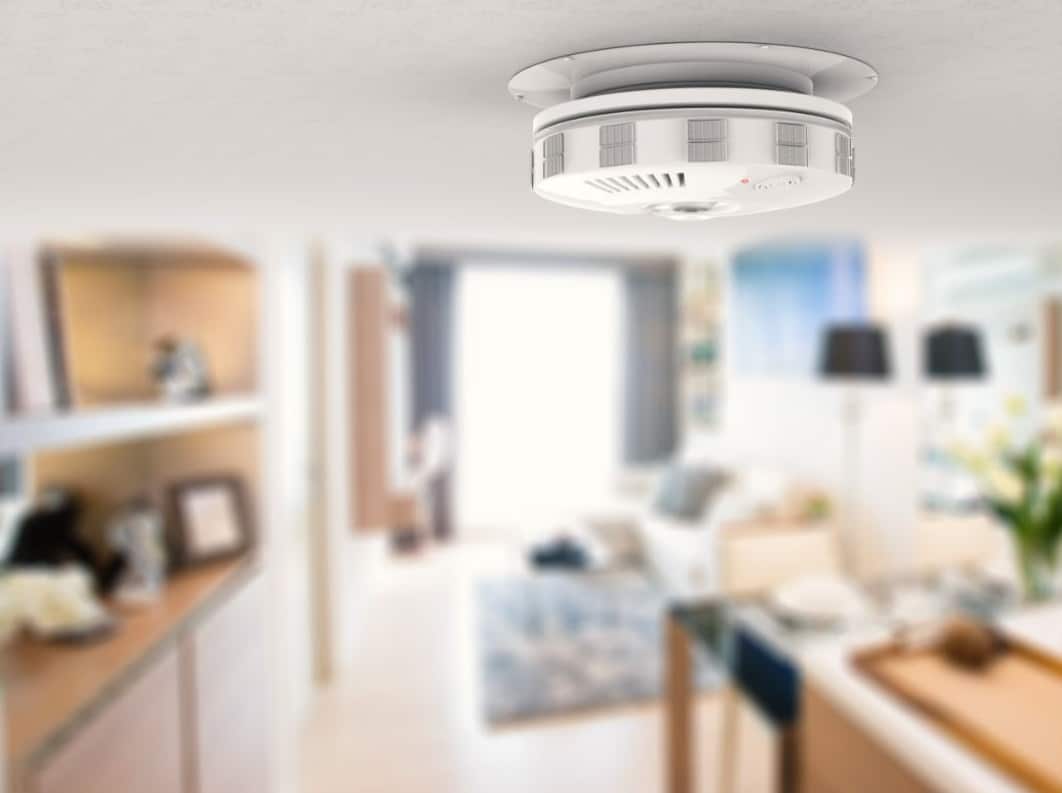
- Fire Detection Systems: These systems include smoke detectors, heat detectors, and flame detectors. Smoke detectors are the most common and cost-effective option. They work by sensing smoke particles in the air and triggering an alarm when smoke levels exceed a certain threshold. Heat detectors, on the other hand, react to a significant rise in temperature, while flame detectors respond to the presence of flames.
- Fire Alarm Systems: Fire alarms are designed to alert occupants of a building about the presence of fire. They can be manual or automatic. Manual fire alarms require someone to activate them by pulling a lever, while automatic fire alarms are activated automatically by the fire detection system.
- Fire Suppression Systems: These systems are responsible for extinguishing or containing fires once they have been detected. Common fire suppression methods include water sprinklers, foam systems, gas suppression, and dry chemical systems.
Assessing Fire Risks in Your Home
The first step to family-proofing your home is to conduct a thorough assessment of potential fire risks. Identify common fire hazards such as faulty electrical wiring, overloaded power sockets, flammable materials stored improperly, and open flames left unattended. Pay special attention to areas like the kitchen, where cooking-related fires are more likely to occur.
Incorporate fire safety measures into your family’s routine, such as teaching children about fire safety, practising fire drills, and assigning responsibilities for fire prevention tasks. Install fire extinguishers in key locations and ensure everyone in the family knows how to use them correctly.
Choosing the Right Fire Systems
To effectively family-proof your home, selecting the right fire systems is paramount. Depending on your budget, the size of your home, and specific needs, you can choose from a range of fire detection and alarm systems. Smoke detectors are essential in every home and should be installed on every floor, especially near bedrooms.
For enhanced protection, consider integrating a commercial fire alarm system that provides professional monitoring and quick emergency response. Commercial fire alarm systems are designed to handle larger buildings and can provide 24/7 monitoring, notifying emergency services immediately in case of a fire.
Installing Fire Systems
Once you have chosen the appropriate fire systems for your home, it’s time for installation. While some fire systems can be installed as DIY projects, it is advisable to consult with a professional fire safety company to ensure the correct placement and optimal functioning of the devices. Professional installers have the expertise to position smoke detectors and other fire systems strategically, maximising their effectiveness in detecting fires.
Testing and Maintenance
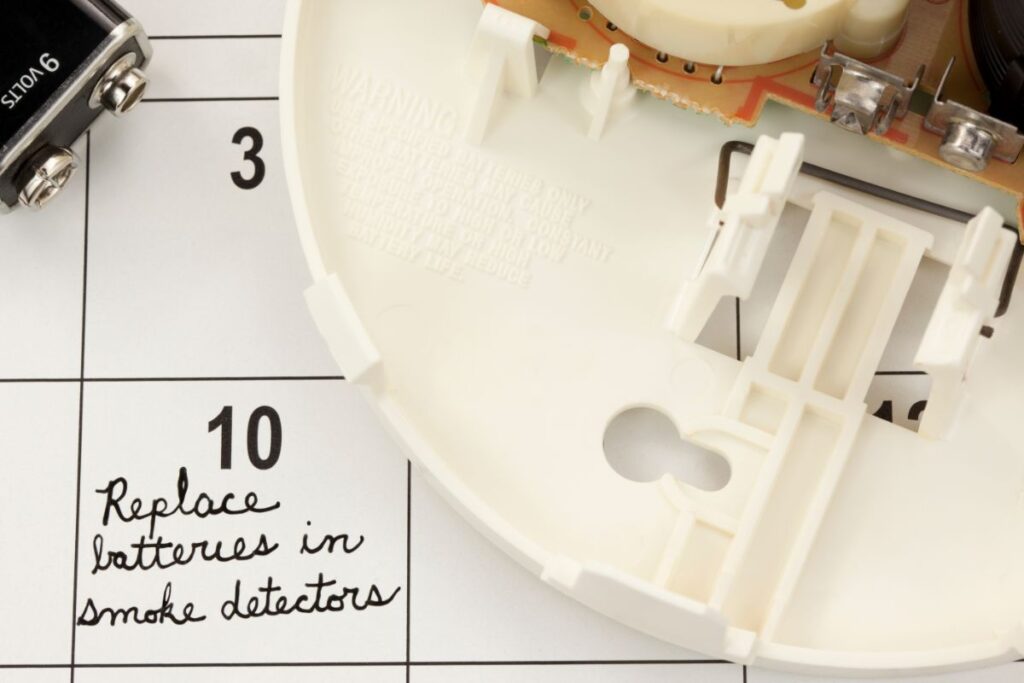
Having installed your fire systems, testing, and regular maintenance are crucial to ensure they are always ready to respond to emergencies. Test your smoke detectors and fire alarms monthly to ensure they are working correctly. Replace batteries as needed, and never disable them, even temporarily, as it compromises your family’s safety.
Schedule regular maintenance with a fire safety professional to inspect and service your fire systems. They will check for any faulty components, clean sensors, and make necessary adjustments to keep the systems in peak condition.
Creating an Escape Plan
In addition to installing fire systems, creating a well-thought-out escape plan is vital in case of a fire emergency. Involve every family member in the planning process and practice the escape routes regularly. Designate a meeting point outside the home where everyone can gather safely.
Ensure that escape routes are free of obstacles and easily accessible. If you have multiple floors, consider providing escape ladders for upper-level bedrooms. Practice different scenarios, including escaping from different rooms and knowing how to help others, especially young children or elderly family members, during an evacuation.
Educating Your Family
Education is the cornerstone of fire safety. Teach your family about the potential fire hazards in your home and the importance of fire systems and commercial fire alarms. Emphasise the importance of responding quickly to fire alarms and the significance of an effective escape plan.
Conclusion
Family-proofing your home against fire hazards involves a combination of awareness, preventive measures, and the integration of reliable fire systems and commercial fire alarms. By understanding the various fire systems available, assessing the specific fire risks in your home, and creating a well-planned escape strategy, you can significantly enhance the safety of your family and provide them with the secure haven they deserve. Remember, investing in fire safety is not just about protecting your property; it’s about safeguarding the ones you hold most dear.
*This is a collaborative post