Dietary Do’s and Don’ts

Incontinence is a very real issue for many people in the UK. Although exact figures are not known, estimates are that up to 6 million could suffer from some form of urinary incontinence. With New Year the traditional time of year to take a long, hard look at our lifestyles, and make healthier choices, making positive changes can have an impact on urinary incontinence. 
We all know the importance of making good choices when it comes to keeping our weight inside healthy ratios, and making the right food and drink choices for us. If you are overweight, shedding 10% of your body weight will make a huge difference to your health now, and in the future. 

How Diet Helps Stop Incontinence
From the types of food we choose to eat, like citrus fruits and other acidic foods, to being overweight, there are many lifestyle factors that exacerbate urinary incontinence. Identifying and eliminating these foods can make a big difference to urinary incontinence. 
Exercising more, losing weight and making healthy lifestyle choices have a positive impact on our health. Specific exercises for strengthening the pelvic floor muscle are also known to work within a few months of starting them.
Dieting Tips
If you suffer from urinary incontinence, see your doctor. There are many treatment options open to you that have a positive impact on the bladder. Likewise, small changes like eating more fruit and wholegrains, and drinking more water can all help incontinence. 
Take a peek at this infographic from HARTMANN Direct to see just how losing weight, staying fit and active will help urinary incontinence. 
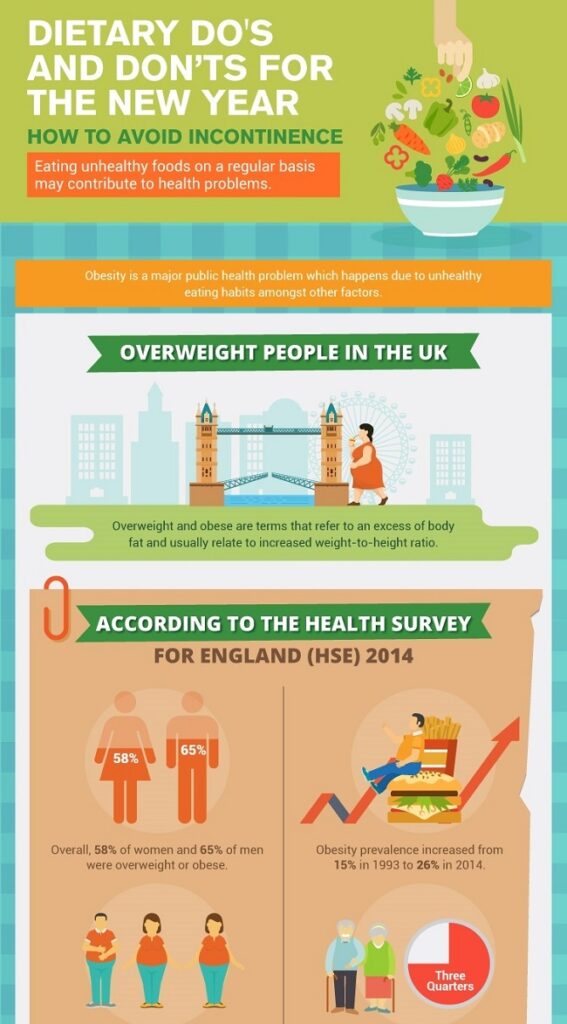
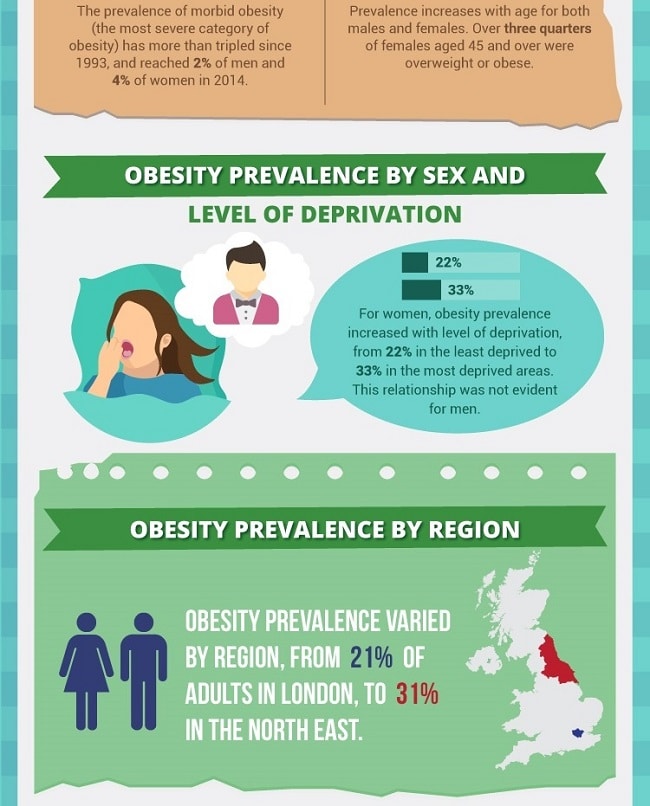
An infographic about dietary do's and don'ts for the new year to avoid incontinence, featuring nutrition advice, obesity's link to unhealthy eating, UK obesity rates, and rising male and female obesity per England’s 2014 health survey.
Infographic showing UK obesity statistics: higher rates in women linked to deprivation, prevalence varies by region (21% in London, 31% in North East), plus nutrition advice icons of people and a UK map.
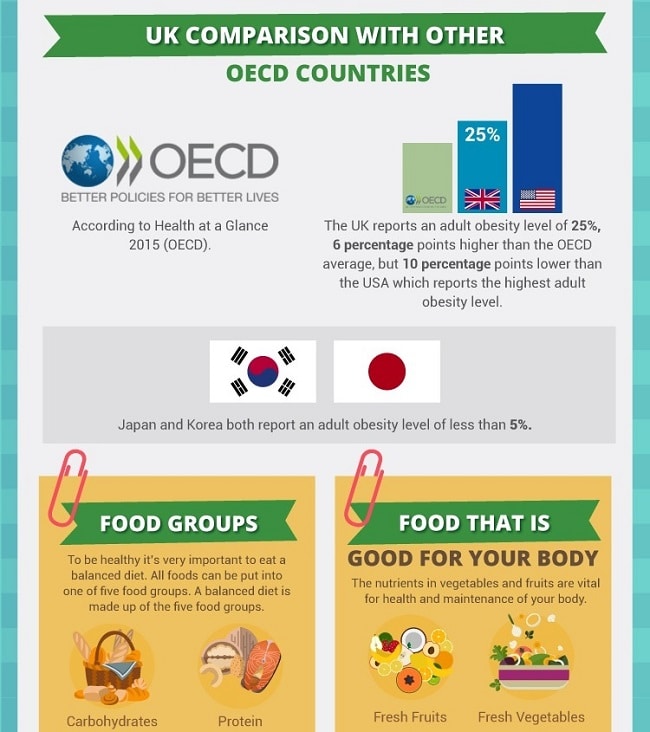
Infographic comparing UK adult obesity rates with OECD countries, showing the UK at 25%, higher than OECD average and lower than the US. Japan and Korea both under 5%. Bottom section offers dietary tips and highlights food groups for healthy eating.
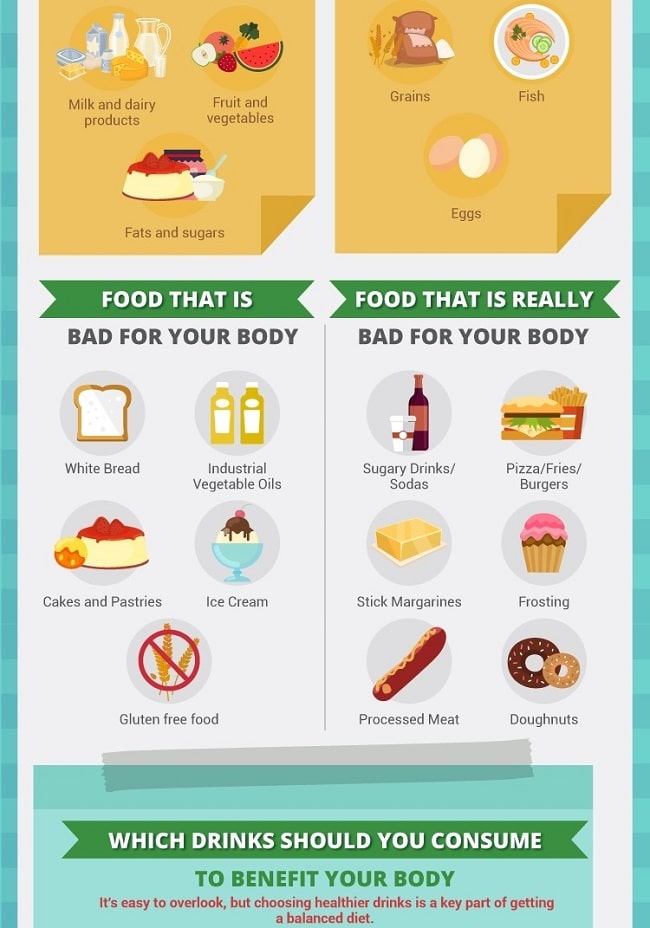
Infographic with illustrations listing foods that are bad for your body and really bad, plus a section on healthy food groups at the top—perfect for anyone seeking nutrition tips and healthy eating inspiration.
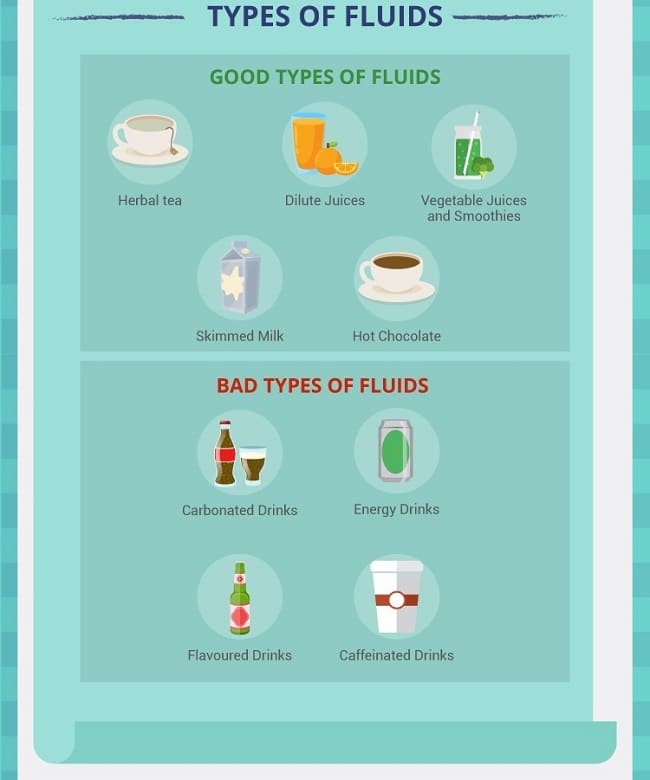
Infographic highlighting dietary tips on good fluids (herbal tea, diluted juices, smoothies, skimmed milk) and bad fluids (fizzy, energy, flavoured drinks) for better nutrition and healthy eating, with matching icons for each category.
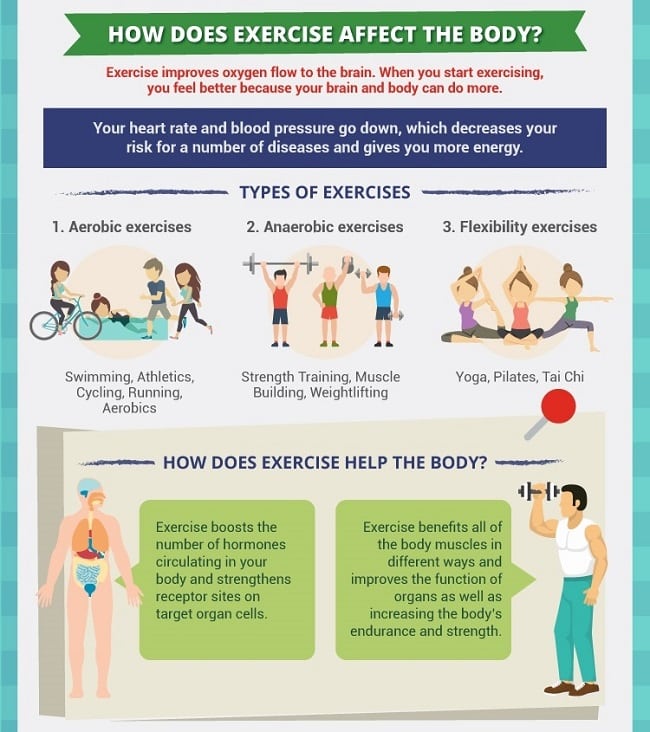
Infographic titled "How Does Exercise Affect the Body?" showing types of exercises (aerobic, anaerobic, flexibility) with icons, examples, and benefits like improved oxygen flow and increased muscle strength—plus healthy eating and dietary tips for best results.
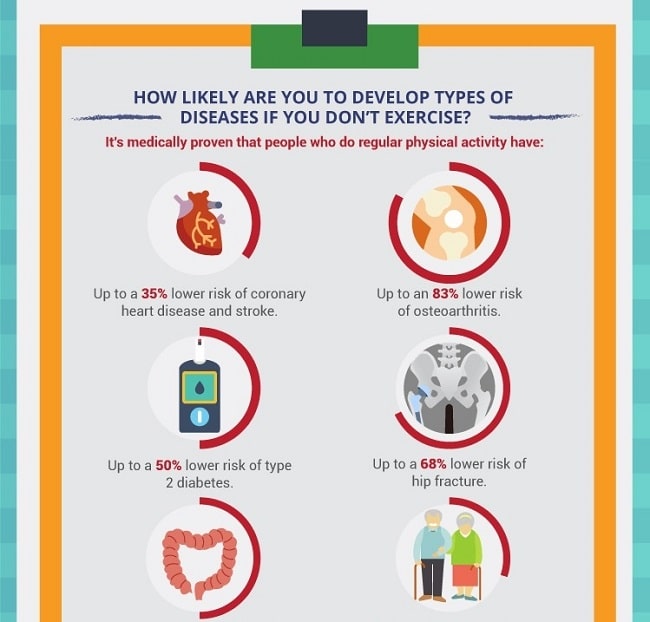
Infographic shows how regular exercise and healthy eating lower risks: 35% less for heart disease/stroke, 50% less for type 2 diabetes, 83% less for osteoarthritis, and 68% less for hip fracture. Includes icons for each condition.
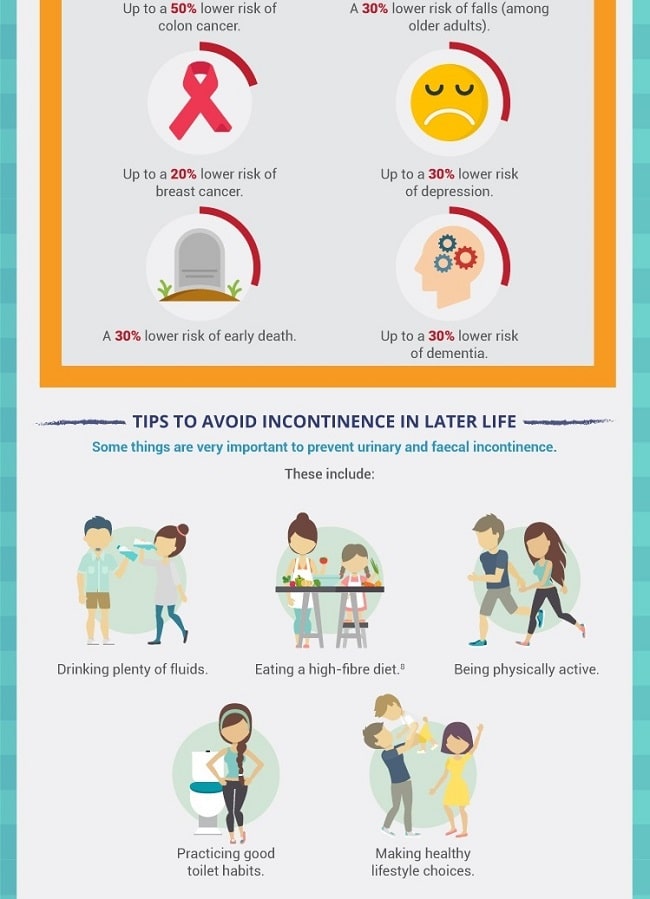
Infographic showing health benefits of exercise and healthy eating, such as lower cancer and depression risk, plus tips to avoid incontinence like drinking fluids, eating fibre-rich foods, staying active, good toilet habits, and smart nutrition choices.
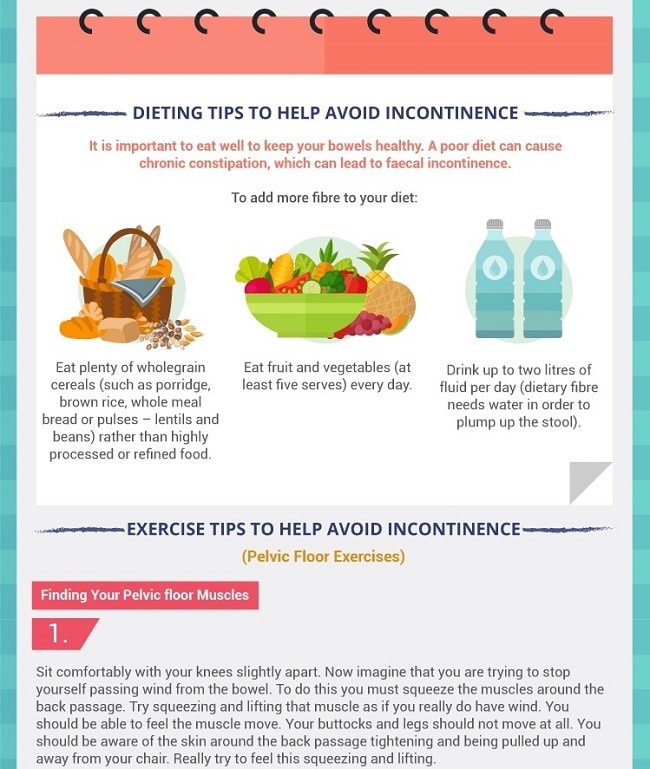
An infographic on incontinence prevention tips, featuring dietary guidelines and nutrition tips such as eating wholegrain cereals, fruit, and vegetables, drinking two litres of fluid daily, and pelvic floor exercises with illustrated food and water images.
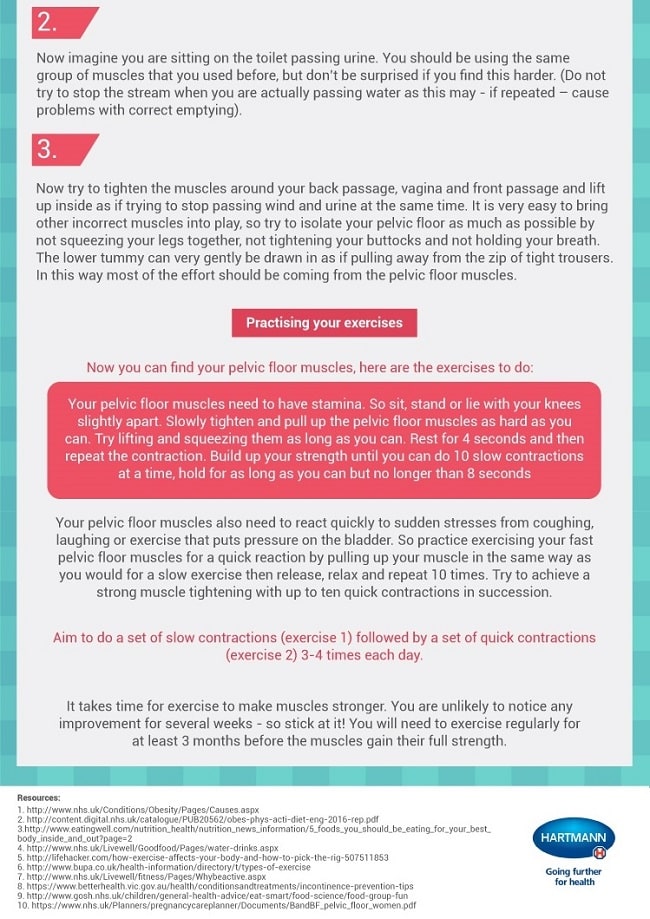
An instructional guide displays steps 2 and 3 for pelvic floor muscle exercises, with detailed tips, a pink box listing three specific exercises, and extra advice that includes nutrition tips for supporting pelvic floor health and links to further resources.

5 thoughts on “Dietary Do’s and Don’ts”

Leave a Comment

Your email address will not be published. Required fields are marked *

Adventures of a Yorkshire Mum works with products and brands on sponsored and affiliate content. Advertising is via Google Adsense. To advertise on this site please contact us.

Adventures of a Yorkshire Mum is a family, travel and lifestyle blog and the thoughts and opinions expressed on this site are my own and are not in any way intended to represent professional advice. If you are unsure about anything please always seek advice from the appropriate professional

As an Amazon Associate, I earn from qualifying purchases.

Scroll to Top