
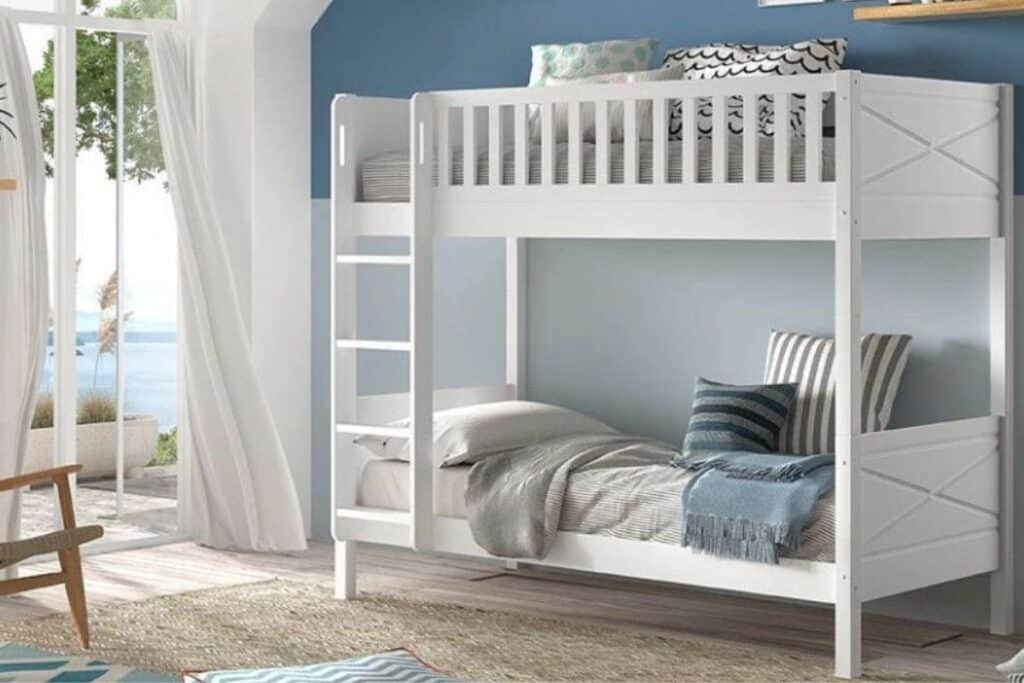
When designing children’s bedrooms, making the most of limited space is often a top priority. Loft and bunk beds are two popular options that excel in space optimisation. In France, these are known as “Lits Mezzanine” and “Lit Superposé“. In this guide, we’ll delve into the specifics of these beds, comparing their benefits and drawbacks, to help you make the best choice for your child’s room. Check out Les Petits for a great choice of children’s toys and furniture.
Pros & Cons of Loft Beds (Lits Mezzanine)
Loft beds, or “Lits Mezzanine,” are elevated beds similar to the top bunk of a bunk bed. The key difference is the space below, which isn’t used for another bed but can be creatively utilised for various purposes.
Pros:
- Space Utilisation: The area beneath can be turned into a study space, a play area, or additional storage.
- Versatility: They are excellent for small apartments or rooms.
Cons:
- Accessibility: Not suitable for very young children due to their height.
- Limited Sleeping Capacity: Only suitable for one sleeper.
- Ideal Age Range for Loft Beds: Loft beds are ideal for children aged 6 and above due to the need to climb into bed.
Creative Uses of the Space Beneath a Loft Bed
The area under a loft bed can also be customized into a storage solution, with built-in shelves or drawers, perfect for organising toys, books, and clothes. For artistic children, this space can be converted into an art station, complete with a small desk for drawing, painting, or crafting, fostering a creative and inspiring environment.
Pros & Cons of Bunk Beds (Lit Superposé)
Bunk beds, or “Lit Superposé,” consist of two beds stacked on each other, making them perfect for siblings sharing a room or for sleepovers.
Pros of Bunk Beds
- Space-Saving: Accommodates two or more children in the same footprint as one bed.
- Fun for Kids: Many kids love sleeping in a bunk bed.
Cons of Bunk Beds
- Limited Flexibility: The space is dedicated solely to sleeping.
- Safety Concerns: The top bunk is not recommended for children under six years of age.
- Suitable Age Range for Bunk Beds: Bunk beds are typically suitable for children aged 6 and older, with the top bunk recommended for older children who can safely navigate the ladder.
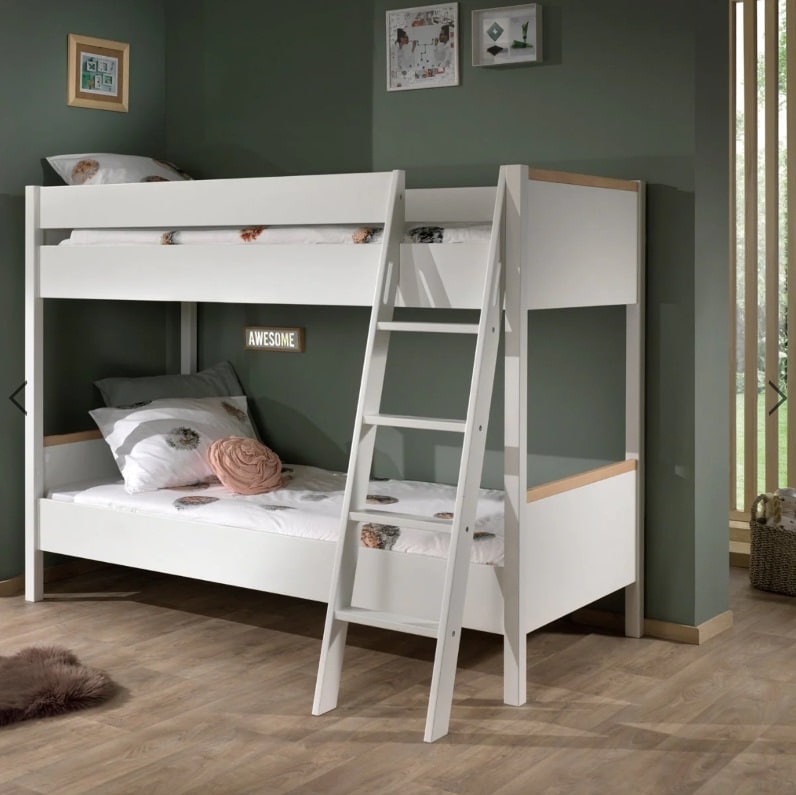
Safety Considerations for Bunk Beds
Regarding bunk beds, or “Lit Superposé,” safety is paramount. These beds can be a fun and practical solution for children’s bedrooms, but it’s crucial to prioritize safety to prevent accidents. Here are key safety considerations to keep in mind:
Sturdy Guardrails for Bunk Beds
- Essential Feature: Guardrails prevent falls from the upper bunk. Ensure they are present on all sides of the top bunk, with a special focus on the wall side.
- Height and Gaps: The guardrails should be 5 inches higher than the mattress to prevent children from rolling out. Also, verify that there are no gaps larger than 3.5 inches where a child could slip through or get stuck.
A Secure Ladder & a Stable Bed Frame for Bunk Beds
- Firm Attachment: The ladder should be securely attached to the bunk bed. A wobbly ladder can lead to falls.
- Easy to Climb: Choose a ladder with steps that are comfortable for your child’s feet and easy to climb, rather than narrow rungs.
- Check Regularly: Regularly inspect the bed frame to ensure all screws and bolts are tight, and the frame is not wobbly.
- Quality Materials: Opt for beds made from high-quality, durable materials that can withstand regular use.
Appropriate Mattress Size for Bunk Beds
- Fit Matters: Use a mattress that fits snugly within the bed frame. A mattress that’s too small can leave dangerous gaps, while an oversized mattress can sit too high and render guardrails ineffective.
Safe Placement for Bunk Beds
- Avoid Hazards: Place the bunk bed away from ceiling fans, windows, and other furniture that children can climb onto from the upper bunk.
- Lighting: Ensure adequate lighting around the bed, especially near the ladder, to prevent accidents during nighttime use.
Age & Weight Consideration for Bunk Beds
- Minimum Age: It’s generally recommended that only children aged 6 years and older use the top bunk.
- Adhere to Limits: Be aware of and adhere to the manufacturer’s recommended weight limits for both the upper and lower bunks.
Safety Considerations for Loft Beds
Enhanced Safety Considerations for Loft Beds While loft beds, or “Lits Mezzanine,” offer a unique space-saving solution, they come with their own safety considerations, distinct from bunk beds. Here’s what to keep in mind to ensure the loft bed is not only a fun addition to your child’s room but also a safe one:
Robust Guardrails for Loft Beds
- Comprehensive Protection: Unlike bunk beds, where the focus is often on the top bunk, loft beds require guardrails around the entire elevated space. Ensure these are sturdy and cover all open sides.
- Optimal Height and Secure Fitting: The guardrails should stand significantly above the mattress level (ideally 5 inches or more) to prevent rolling off. Regularly check that they are securely fastened and do not wobble.
Stable & Accessible Ladder for Loft Beds
- Securely Attached and Ergonomic Design: The ladder to a loft bed must be securely attached and ergonomically designed for easy climbing, considering that it’s used more frequently than in bunk beds.
- Slip-Resistant Features: Opt for ladders with slip-resistant steps or additional handrails to provide extra safety for children as they climb up and down.
Bed Frame Stability and Quality for Loft Beds
- Durable Construction: Given that the bed is elevated, the frame’s stability is paramount. Choose a loft bed constructed from high-quality, robust materials.
- Regular Maintenance Checks: Unlike bunk beds, loft beds often have more complex structures. Regularly inspect all connections and supports to ensure they remain tight, and the structure remains stable.
Appropriate and Safe Use of Under-Bed Space of Loft Beds
- Creative yet Safe Utilisation: The space under a loft bed offers numerous possibilities, from study areas to play zones. Ensure that this area is kept clutter-free and well-organised to prevent any accidents or tripping hazards.
Considerations for Room Layout & Bed Placement for Loft Beds
- Strategic Positioning: Place the loft bed in a part of the room where it is away from potential hazards like windows, doors, or ceiling fixtures. This differs from bunk beds, as the entire structure is elevated.
- Ensuring Good Ventilation: Make sure the bed is positioned in a way that allows for proper air circulation, which is especially important for loft beds due to their proximity to the ceiling.
Age & Maturity of the Child
● Understanding the Child’s Readiness: Loft beds are typically suitable for children who are mature enough to understand and respect the height and its associated risks. This is usually around the age of 6 and above.
Enhanced Night-Time Safety Measures
● Night Lights: Install a night light that illuminates the path to the ladder, which is particularly important for loft beds as the child has to navigate the height in the dark.
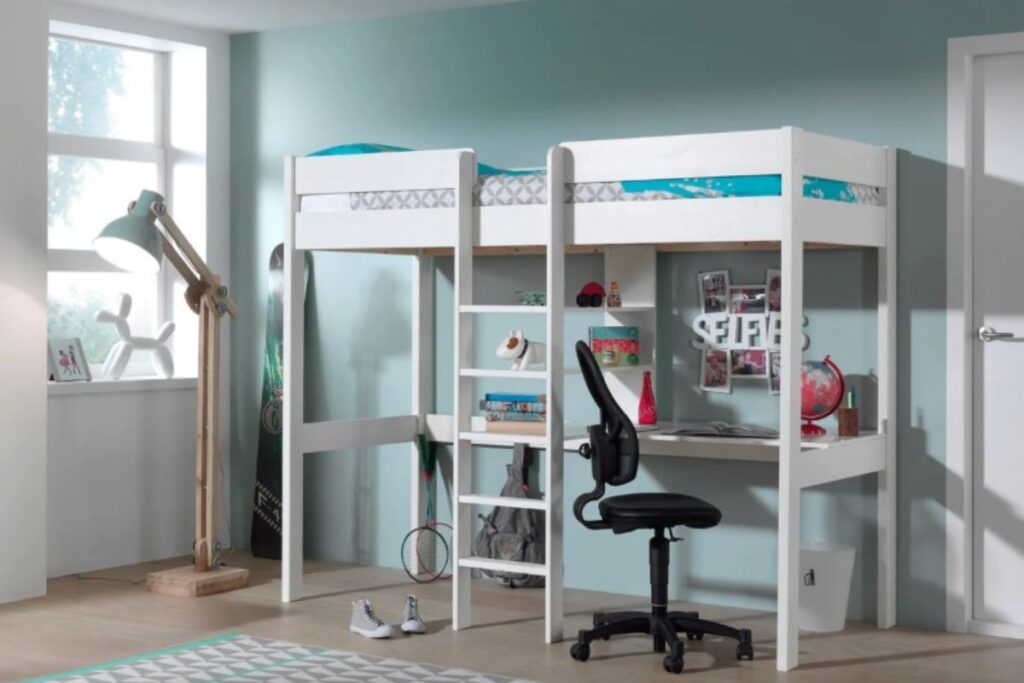
Loft Beds vs Bunk Beds
When it comes to furnishing your child’s bedroom, the choice between loft beds and bunk beds can be pivotal in shaping the room’s functionality and aesthetic. Both options provide unique advantages and conveniences, but understanding their differences is key to making an informed decision that best suits your family’s needs and space.
Comparing Space Efficiency
While both loft beds and bunk beds are excellent for saving floor space, loft beds stand out for their ability to transform the under-bed area into a useful space. This flexibility allows for the incorporation of desks, storage, or play areas, making them ideal for small rooms where every square foot counts. In contrast, bunk beds optimize sleeping space, perfect for accommodating more children without expanding the room’s footprint.
Assessing Comfort and Accessibility
Bunk beds offer straightforward access and comfort for two children, with a familiar bed-like experience on each level. They are particularly beneficial when room sharing is necessary, as they provide each child with their own defined sleeping space. On the other hand, loft beds, with their elevated sleeping area, offer a secluded retreat for one child, fostering a sense of independence and privacy, which can be especially appealing as children grow older.
Design Varieties and Customisation Options
Both loft and bunk beds come in many designs, colours, and themes, allowing them to seamlessly blend with or enhance the decor of a child’s room. From classic wood finishes to modern metal frames, the variety ensures a style to suit every preference. Moreover, many models offer customisation options like modular attachments or convertible features, adding to their long-term value as children’s needs evolve.
Which Bed is Right for Your Child?
Deciding between a loft bed and a bunk bed hinges on several factors, such as the age and number of children, room size, and specific family requirements. Bunk beds are a practical choice for siblings sharing a room or frequent sleepovers, providing a communal yet individual sleeping experience. However, suppose the goal is to create a multi-purpose space for a single child. In that case, loft beds offer the versatility to combine sleep with study, play, or storage, adapting to various needs and activities.
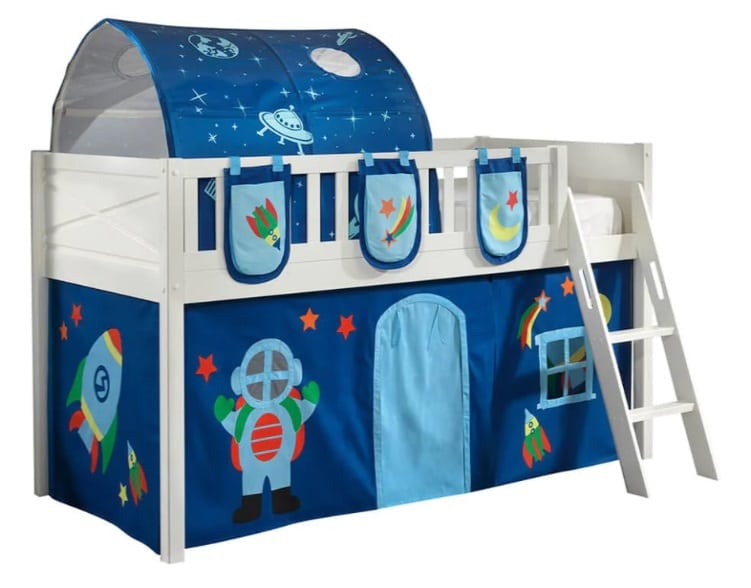
Frequently Asked Questions on Loft Beds
What is the recommended minimum age for a child to use a loft bed?
Loft beds are generally recommended for children aged 6 years and above, primarily due to the need for climbing and the height of the bed. It’s essential for a child at this age to have the motor skills and awareness to navigate the ladder and understand the height safely.
How can the space beneath a loft bed be effectively utilised?
The area under a loft bed offers immense versatility and can be tailored to a child’s evolving needs. It can be transformed into a study area with a desk and shelves, a storage space with drawers and cupboards, or even a cosy play area, efficiently utilising the room’s vertical space.
Are loft beds suitable for small apartments?
Loft beds are ideal for small apartments or rooms with limited space. Their design maximizes the usable area by elevating the sleeping space, freeing up valuable floor area for other activities or storage, and making the room feel larger and more organized.

Frequently Asked Questions on Bunk Beds
What safety features should be considered when choosing a bunk bed?
When selecting a bunk bed, prioritize models with sturdy guardrails on the upper bunk to prevent falls, a stable and easily accessible ladder for safe climbing, and a robust frame that can securely support the weight on both levels. As discussed above, regular safety checks are essential to ensure stability and security.
Can bunk beds be separated into two individual beds?
Many modern bunk bed designs offer the flexibility to be separated into two individual beds. This feature is particularly beneficial as it provides versatility to adapt to changing family needs, such as when children grow older and prefer their own space or if you move to a larger home.
How do bunk beds cater to different age groups?
Bunk beds are designed to be versatile, catering to a wide range of age groups. The lower bunk is often more accessible and safer for younger children, while the upper bunk appeals to older children who can safely navigate the ladder. This versatility makes bunk beds an excellent long-term investment for families with children of varying ages.
Loft Beds Of Bunk Beds: Making the Right Choice for Your Child’s Room
Both loft beds (“Lits Mezzanine”) and bunk beds (“Lit Superposé”) offer unique benefits for space-saving in children’s rooms. By considering factors like age, space, and individual needs, you can choose the option that not only saves space but also creates a comfortable and functional environment for your child. Remember, the best choice is one that aligns with your child’s safety, comfort, and your space requirements.
This is a collaborative post