A Parent’s Guide to Weaning: Essential Tips and Tools
Weaning your baby is an exciting but sometimes overwhelming milestone in their development. As a parent, you want to make sure you are equipped with the right knowledge and tools to make this transition as smooth as possible. In this blog post, we will discuss the ins and outs of weaning, including when to start, different approaches, and essential items you might need along the way. Whether you are just beginning the weaning process or looking for some helpful tips, this guide is here to support you every step of the way.
Understanding When to Start Weaning
The recommended age to start weaning your baby is around six months old. However, every child is unique, so it’s important to look for signs that they are ready. These signs include being able to sit up unsupported, showing interest in food, and being able to pick up objects with their fingers. Starting too early can be harmful to your baby’s health, so it’s crucial to wait until they are developmentally ready.
Different Approaches to Weaning
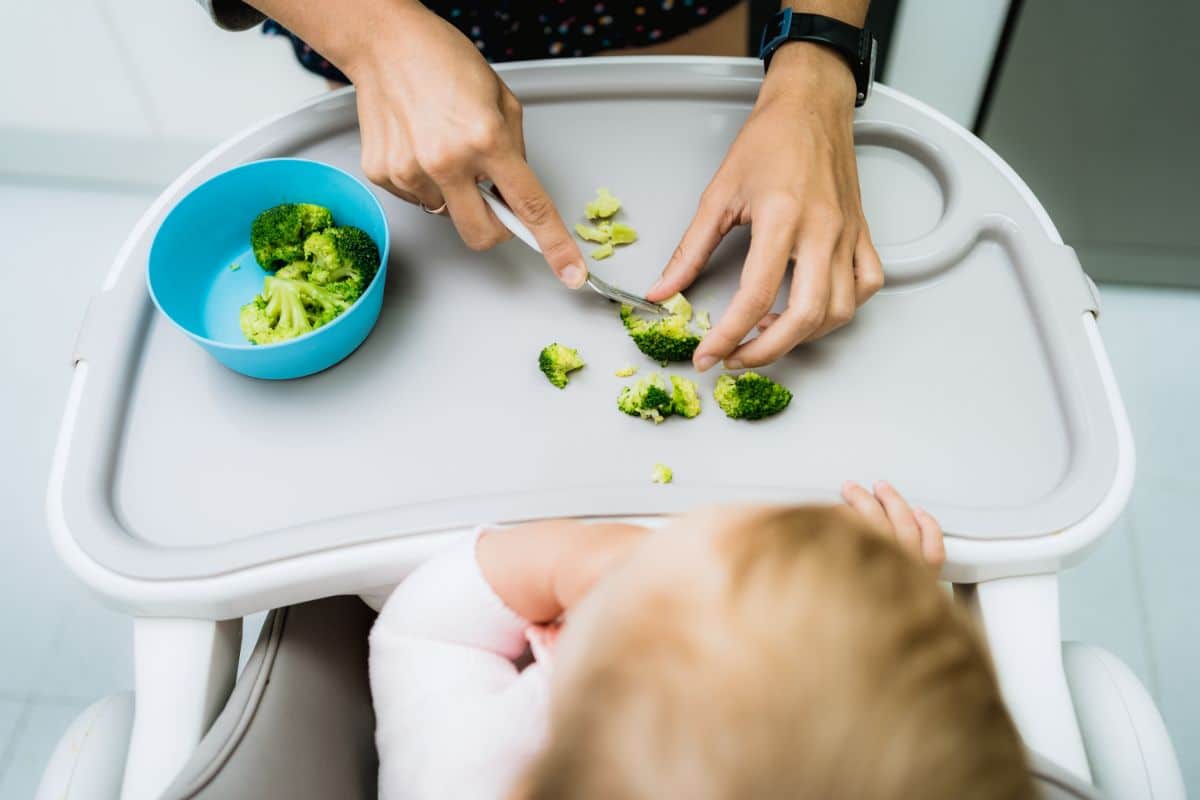
There are two main approaches to weaning: traditional weaning (spoon-feeding purees) and baby-led weaning (letting your baby feed themselves soft finger foods). Both methods have their benefits and challenges, so it’s essential to choose the approach that works best for you and your baby. Some parents even use a combination of both.
Essential Items You Might Need
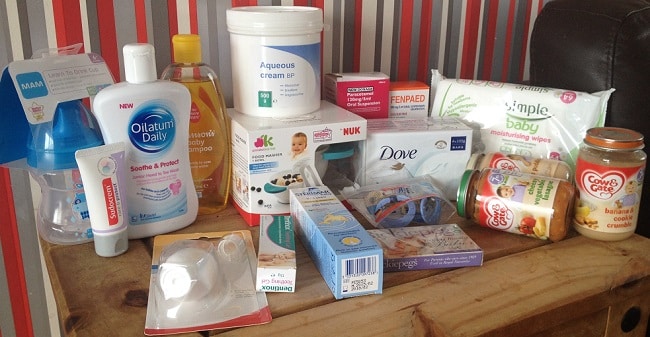
When starting the weaning journey with your little one, there are a few essential items that can make the process smoother and more enjoyable for both of you. These items include dribble bibs (to catch those inevitable messes), soft-tip spoons (for spoon-feeding purees), suction plates (to keep food in place), and easy-to-clean high chairs or booster seats.
Making Mealtime Fun
One of the keys to successful weaning is making mealtime a positive experience for your baby. This includes introducing a variety of flavours and textures, offering a range of healthy foods, and creating a relaxed environment free from distractions. Remember that babies learn through play, so don’t be afraid to get messy with food exploration!
Patience Is Key
Finally, remember that weaning is a gradual process that takes time and patience. It’s normal for babies to reject new foods or make a mess during mealtimes – it’s all part of the learning process! Be patient with yourself and your little one as you navigate this exciting stage together.
Conclusion
I hope this guide has provided you with valuable information on how to approach weaning with confidence. Remember that every child is different, so trust your instincts as a parent and enjoy this special time bonding with your baby over food. With the right knowledge and tools at hand, you can make the process an exciting adventure for both you and your little one.
*This is a collaborative post